Blue Moon (2025): The Cost of Staying in the Room

Long before Blue Moon, I had become interested in what happens to songwriting partnerships once their period of effortless alignment has passed. Mike Leigh’s Topsy-Turvy remains one of the most perceptive explorations of that dynamic, concerned less with the triumphs of Gilbert and Sullivan than with the strain of having to continue working together once inspiration has hardened into obligation. A similar preoccupation informed my own novel Debussy’s Slippers, which looks at the creative tensions between George and Ira Gershwin when George outgrew Broadway and yearned to be taken seriously as a composer. It is from that vantage point that Richard Linklater’s film feels less like a biographical exercise than a study in endurance.
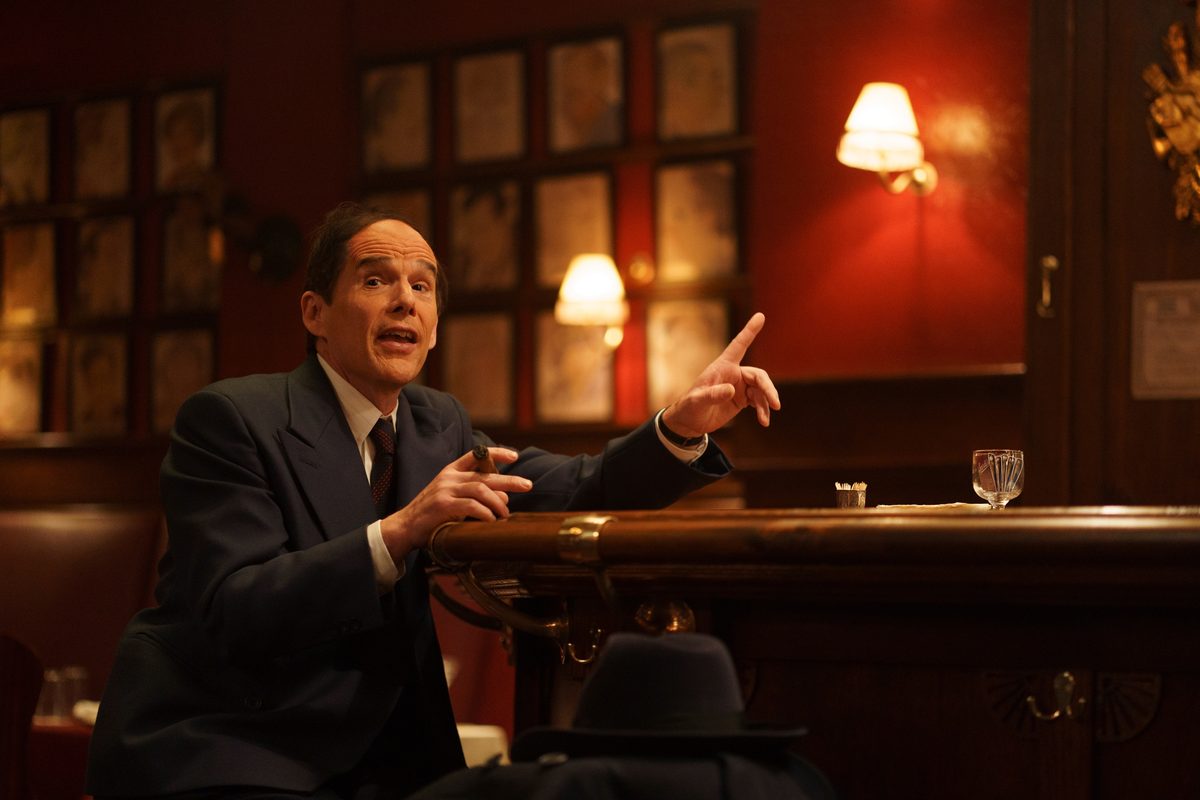
Blue Moon is, on the surface, a modest proposition: a largely self-contained chamber piece in which Ethan Hawke occupies the frame for almost the entire running time, playing lyricist Lorenz Hart in the final stretch of his professional and emotional life. In practice, it is one of the most demanding central performances of Hawke’s career and a persuasive case for his Best Actor nomination. As with Linklater’s Me and Orson Welles, the drama is less concerned with mythologising genius than with observing it at close quarters, under pressure. This is not a role built on transformation or theatrical display, but on sustained presence long after charm has curdled and wit has lost its protective power.
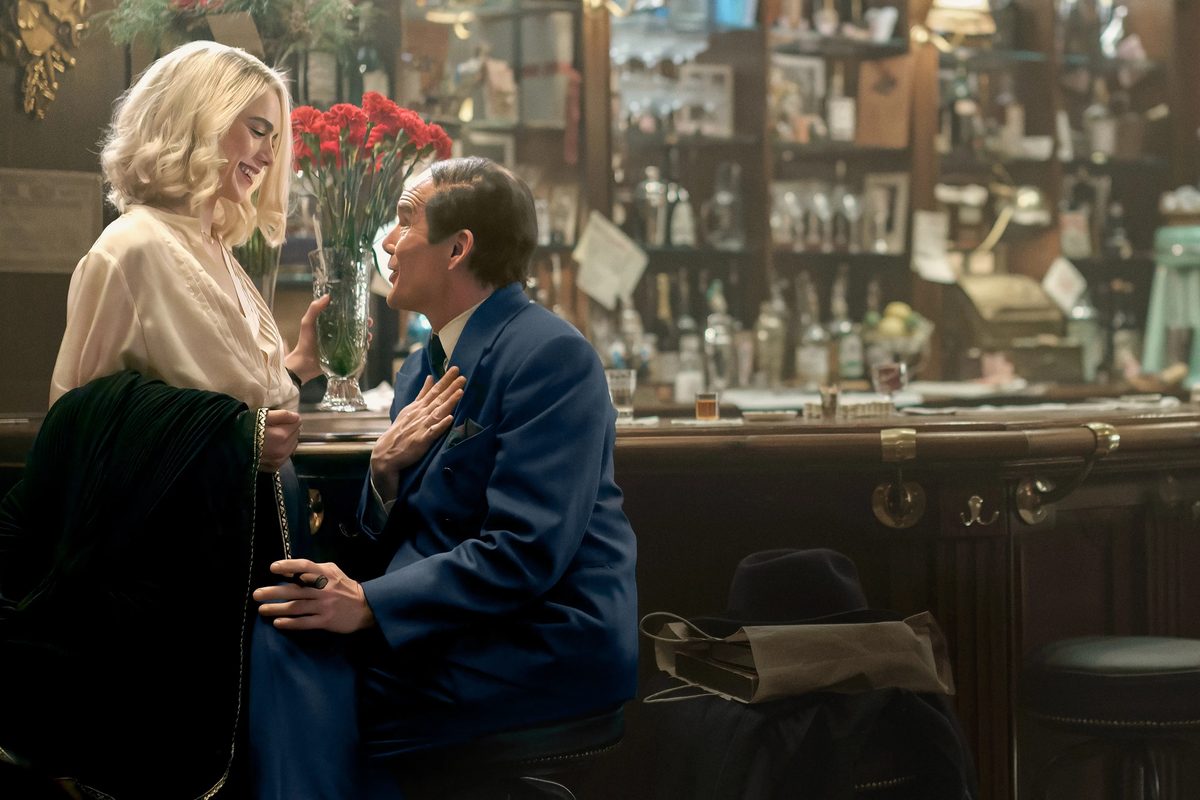
Hawke’s Hart is brittle, brilliant and exhausting, often within the same exchange. The performance resists easy sympathy even as it earns it. Hart is caustic, needy and self-aware to the point of paralysis, acutely conscious of having been left behind. What Hawke understands, and sustains with extraordinary control, is that Hart’s tragedy is not failure but continuation. He is still working, still talking, still returning to the language that once defined him, long after the partnership that gave those words their shape has shifted into something colder. That tension gives the film its shape, and Hawke carries it without relief.
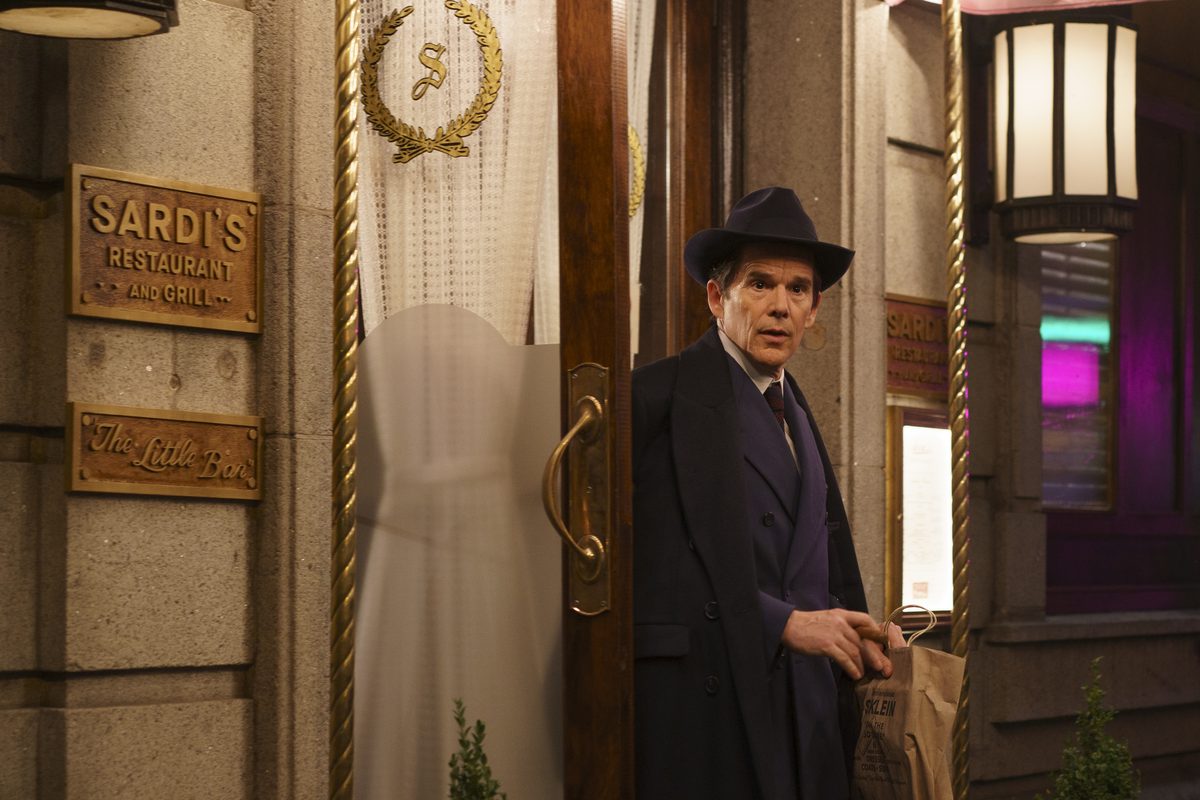
Seen this way, Blue Moon feels less like a late-career flourish than the natural culmination of Hawke’s long collaboration with Linklater. Since his breakout in Dead Poets Society, Hawke has never stopped working across film, theatre and television, finding time to write novels alongside a career that has consistently favoured curiosity over consolidation. His partnership with Linklater, stretching from the Before Trilogy through to this point, has been defined by patience and trust, a shared belief that time itself can be the subject, rather than the enemy, of drama. Blue Moon distils that belief into its purest form.
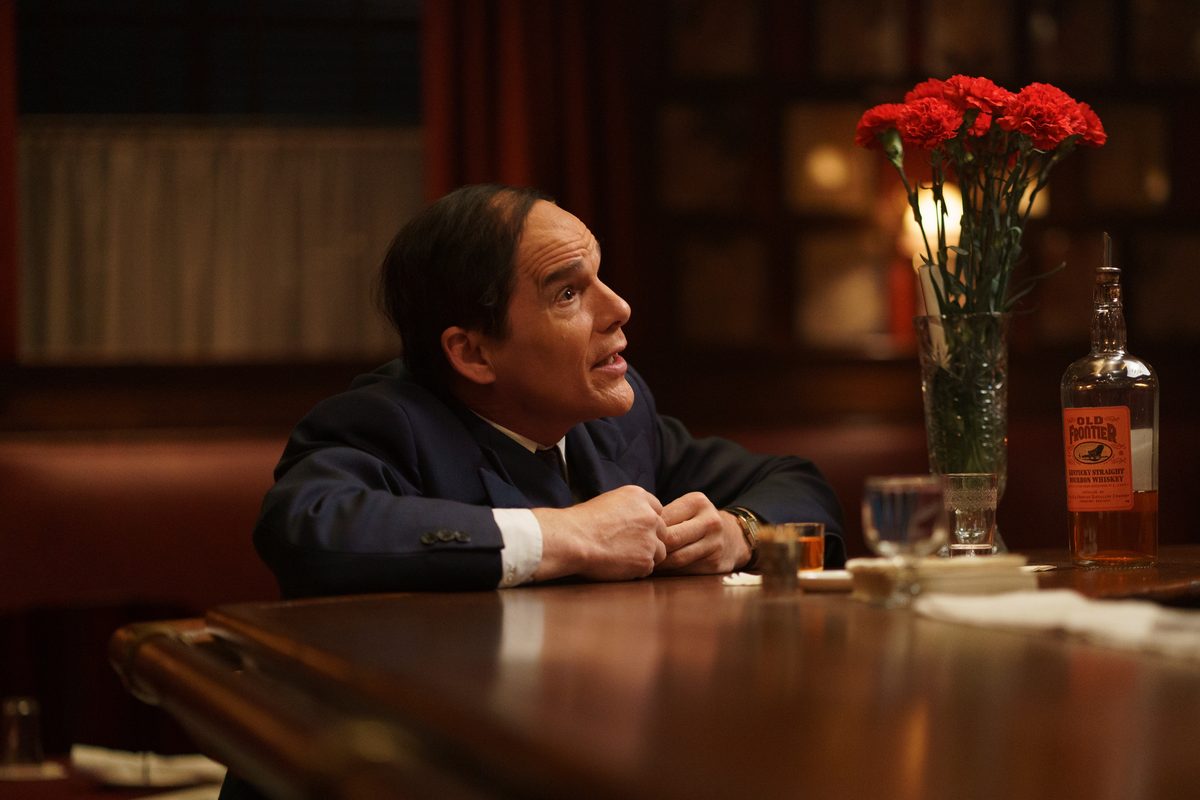
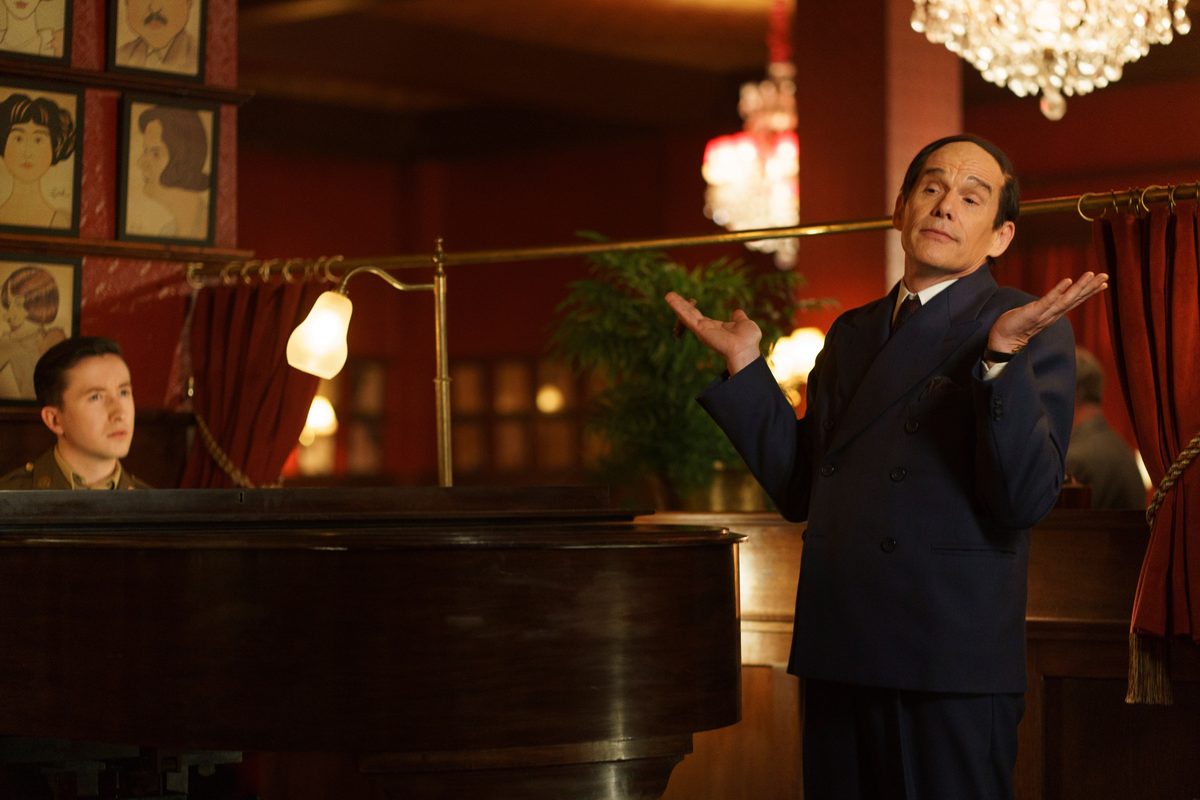
By restricting itself almost entirely to a single location, Blue Moon sharpens its focus rather than narrowing it. The bar used for the afterparty following the opening night of Oklahoma! becomes a pressure chamber, denying Hart the usual escape routes of cinematic storytelling: montage, movement, or the softening passage of years. Time presses inwards instead. The resulting performance feels lived-in rather than sculpted, with Hawke allowing Hart to repeat himself, to circle the same grievances, to exhaust both those around him and, at times, the audience. This persistence is not indulgence. It is strategy. As in Me and Orson Welles, Linklater stages genius not in isolation but in proximity to those who will inherit it, revise it, or quietly move beyond it.
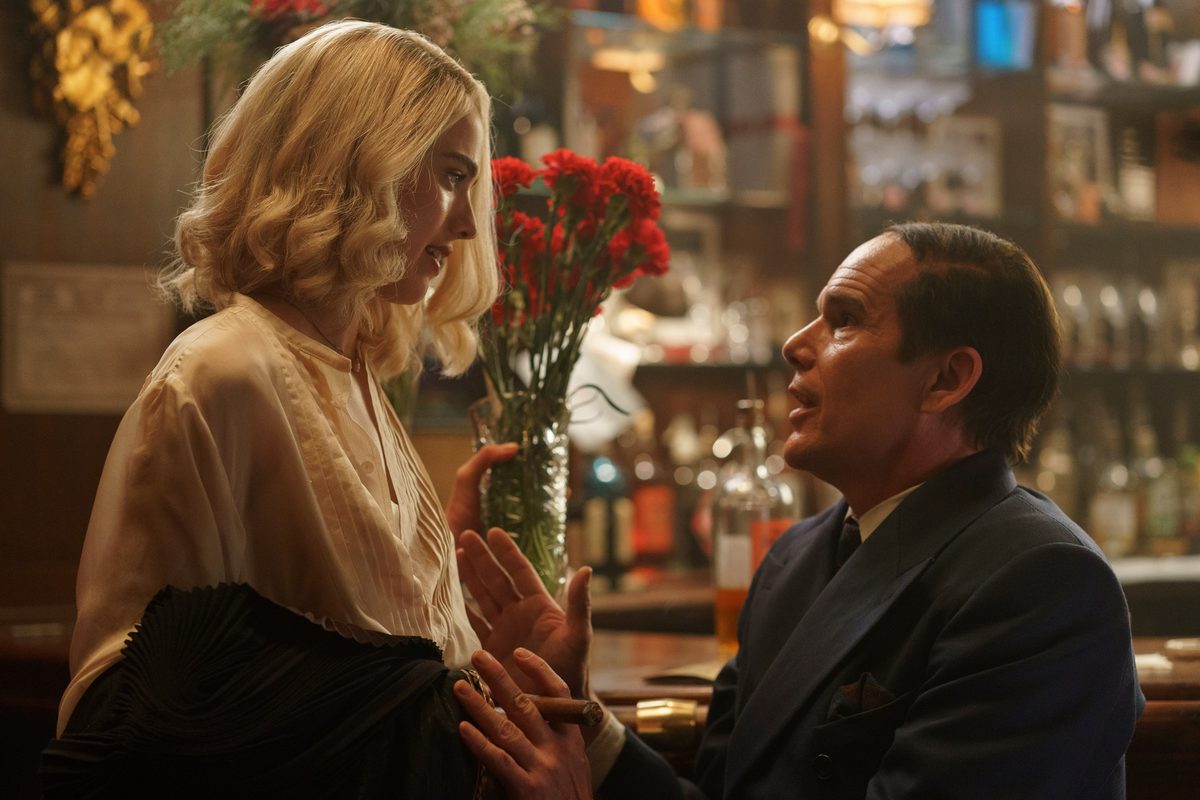
What emerges most clearly from that strategy is the cost of Hart’s brilliance. His gifts are inseparable from the repetition that sustains them, and from the inability to move on even when everyone else has. One small exchange in the bar captures this with particular elegance. Hart casually remarks that ‘weighty affairs will just have to wait’ to a room that includes Oscar Hammerstein and his young protégé Stephen Sondheim, a throwaway line that lands as a sly aside for theatre-literate viewers, all the more so given Sondheim’s later withering assessment of Hart in Finishing the Hat, his self-curated, lyric-by-lyric account of his own work.
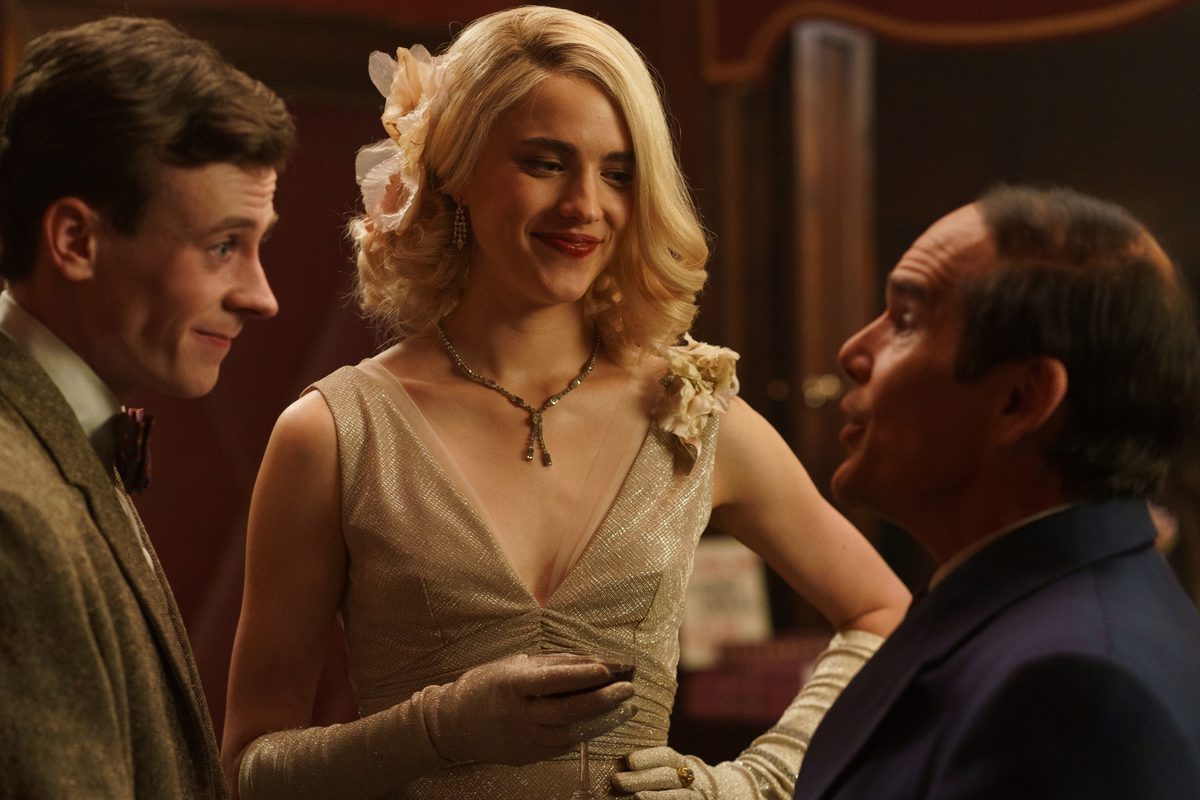
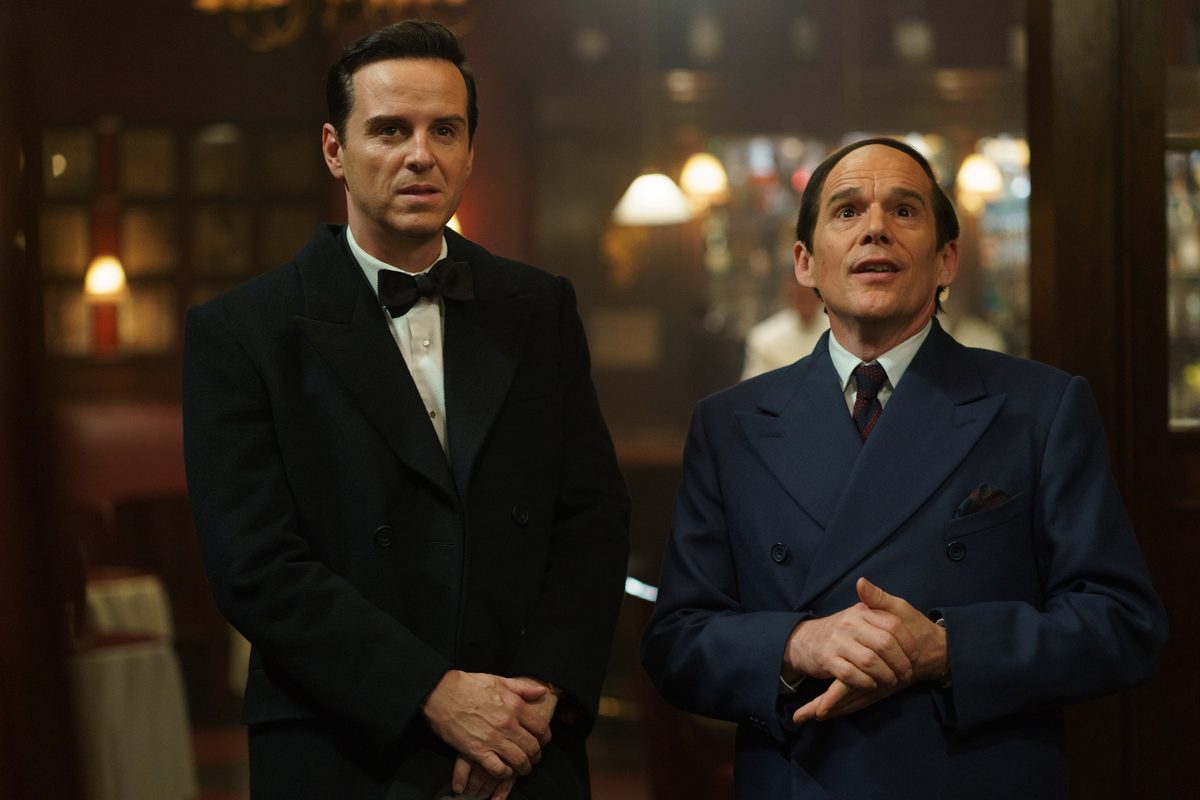
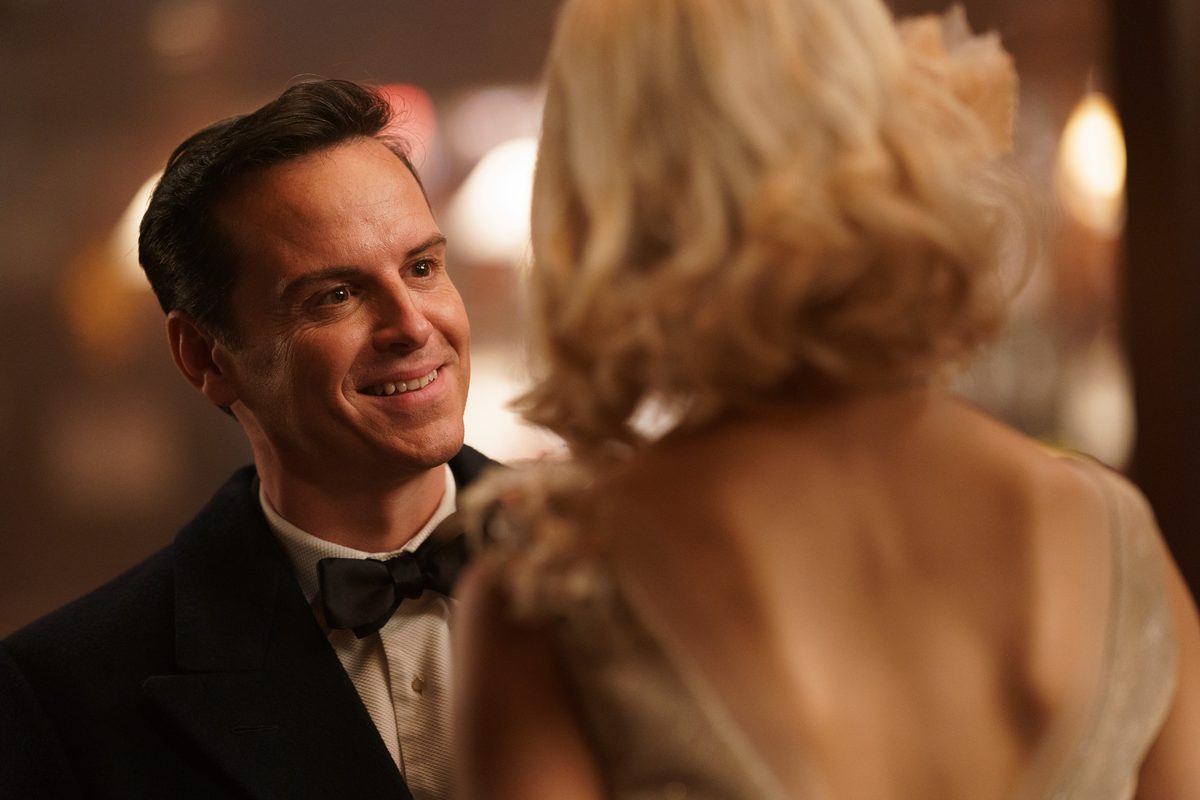
That imbalance is reflected in Andrew Scott’s portrayal of Richard Rodgers. Scott is excellent, but his role is deliberately circumscribed. Rodgers appears calmer, more pragmatic, already half-absent. Where Hart fills the room with language, Rodgers withholds it. The film aligns us with Hart’s perspective, which inevitably means Rodgers feels reduced, even sidelined. This is less a slight on Scott’s performance than a reflection of the film’s emotional geometry. Blue Moon is not interested in balance. It is interested in what imbalance feels like from the inside.
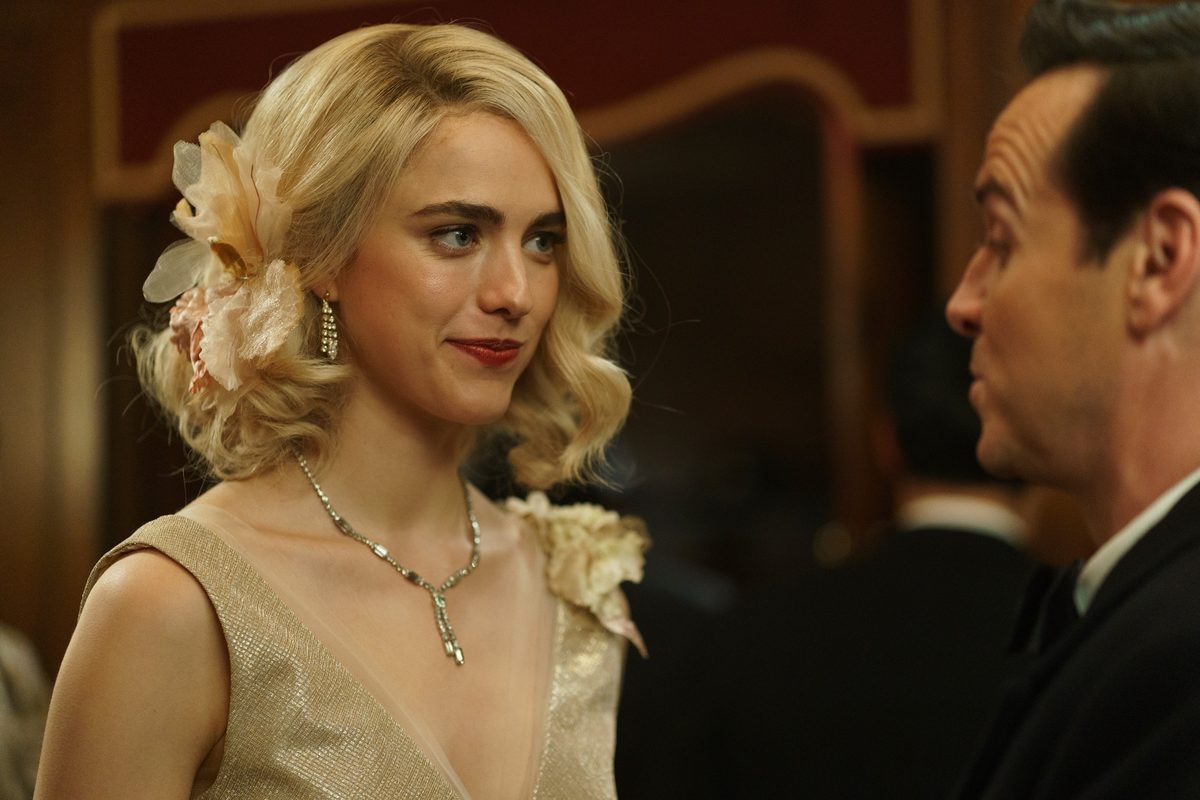
Margaret Qualley, in a supporting turn, offers a telling counterpoint. She brings warmth and intelligence without sentimentality, a presence that highlights Hart’s constrained emotional economy. Qualley has developed a talent for grounding films that revolve around more volatile central performances, and she does so here with quiet assurance. Her scenes never compete for attention, but they subtly reframe Hart’s behaviour, allowing us to see both its allure and its cost.
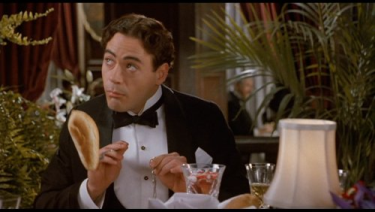
Blue Moon also feels like a natural companion piece to Linklater’s earlier Me and Orson Welles, a film I reviewed when it was first released. That film was animated by the thrill of arrival: youth brushing up against genius, opportunity crackling in the air. It took place in rehearsal rooms and corridors alive with possibility, where collaboration was intoxicating and the future felt provisional. Blue Moon occupies the other end of that spectrum. Here, collaboration has already run its course. Genius is no longer something to be impressed by, but something to be lived with and outlasted.
Where Me and Orson Welles showed a young man learning how proximity to greatness might shape him, Blue Moon shows what it means to be the one left standing when that proximity fades. Linklater’s cinema has rarely been kinder, but it has always been honest. The difference between the two films is not subject matter but perspective: one looks forward, the other looks back, and the space between them is filled with compromise, resentment and endurance.
In that sense, Blue Moon may be Linklater’s most unsparing film. It offers no easy redemption, no late-life epiphany to soften Hart’s decline. What it offers instead is attention: sustained, uncomfortable and precise. Hawke’s performance deserves recognition not because it is showy, but because it refuses consolation. It understands that some partnerships define us not by how they end, but by how long we continue to speak their language after the conversation has moved on.
Sister Wives (2024): When Intimacy Becomes Dissent

Sister Wives understands something many films about repression miss: the most dangerous thing in a closed system isn’t rebellion, it’s tenderness.

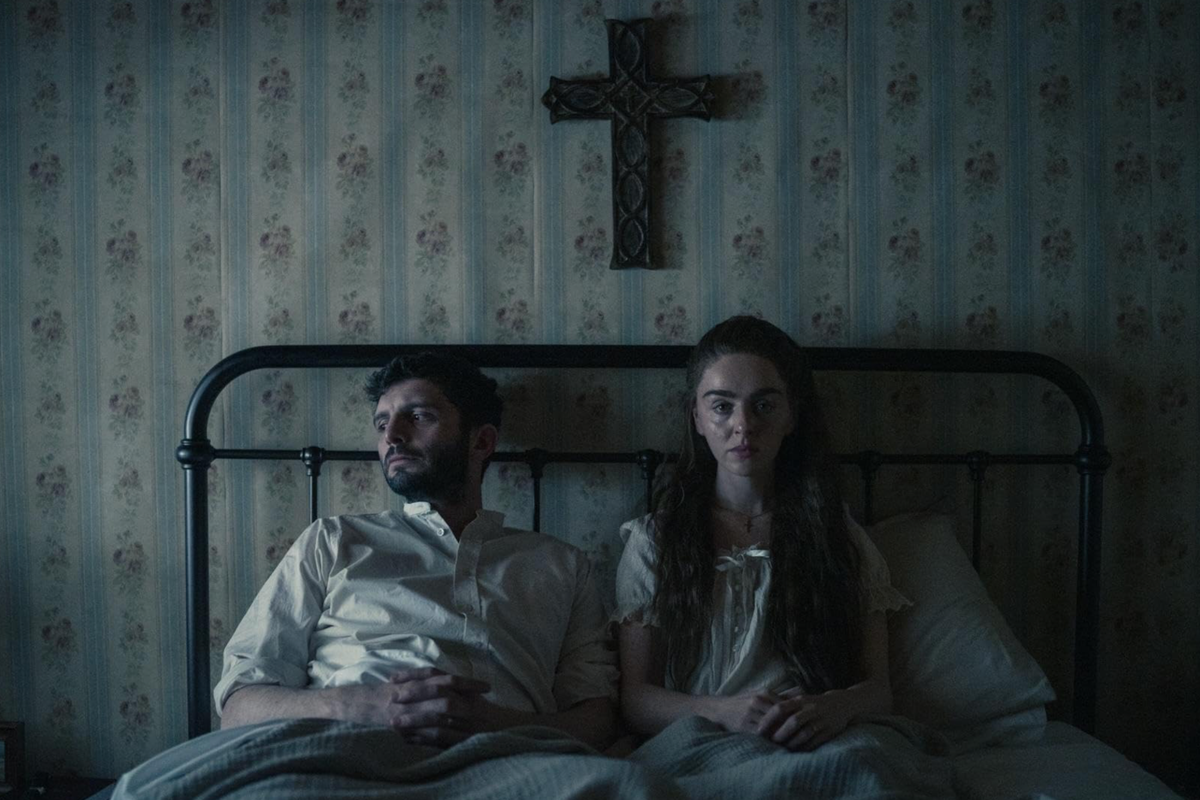
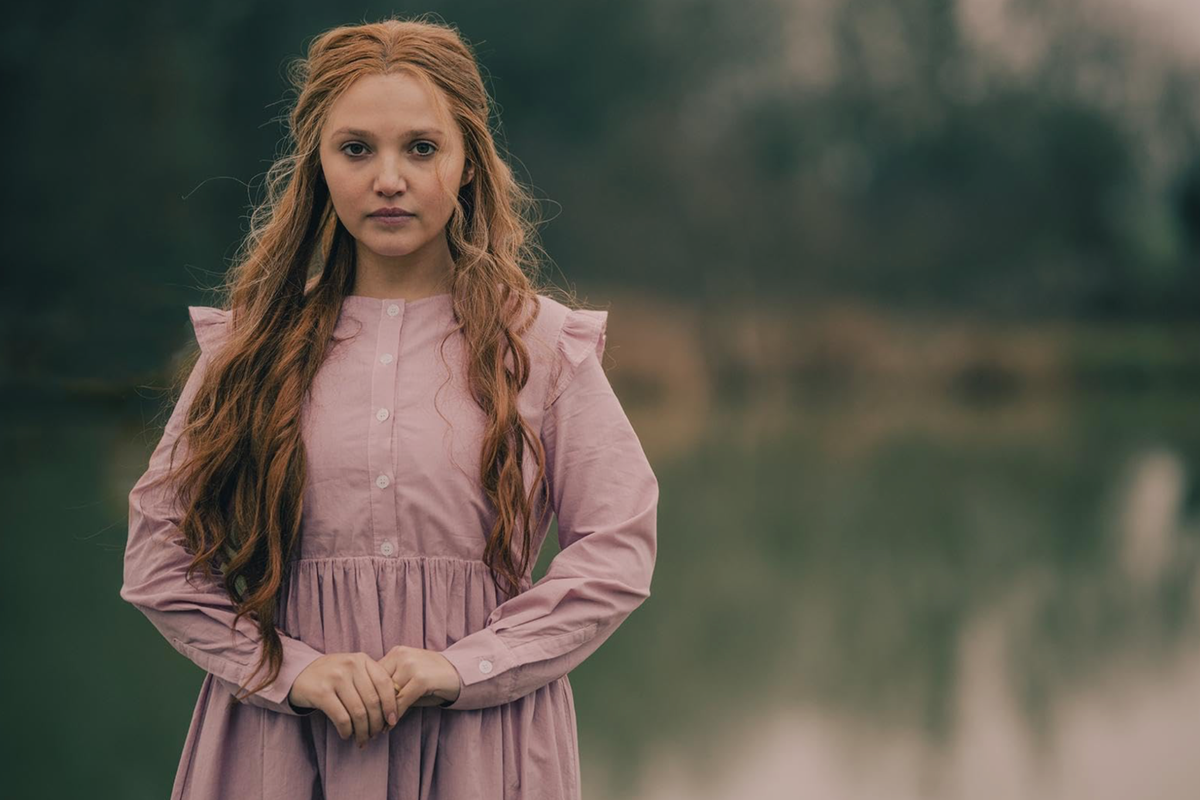
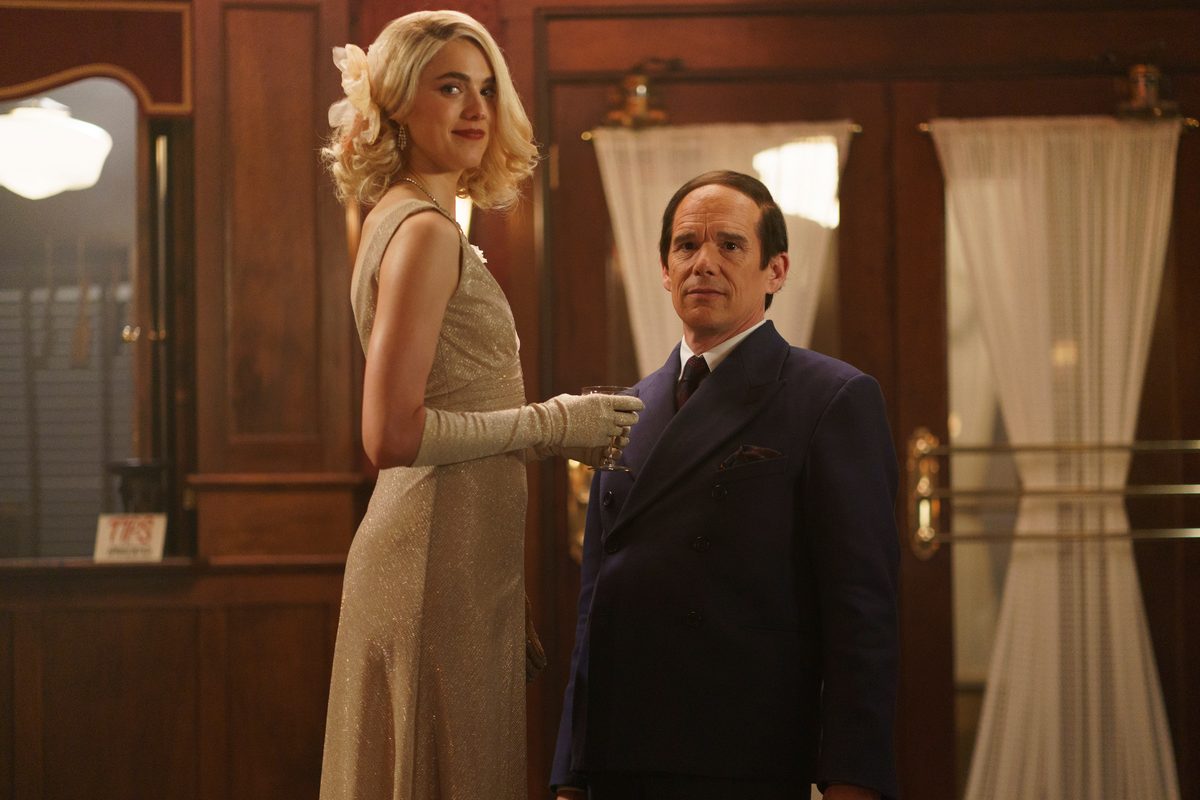
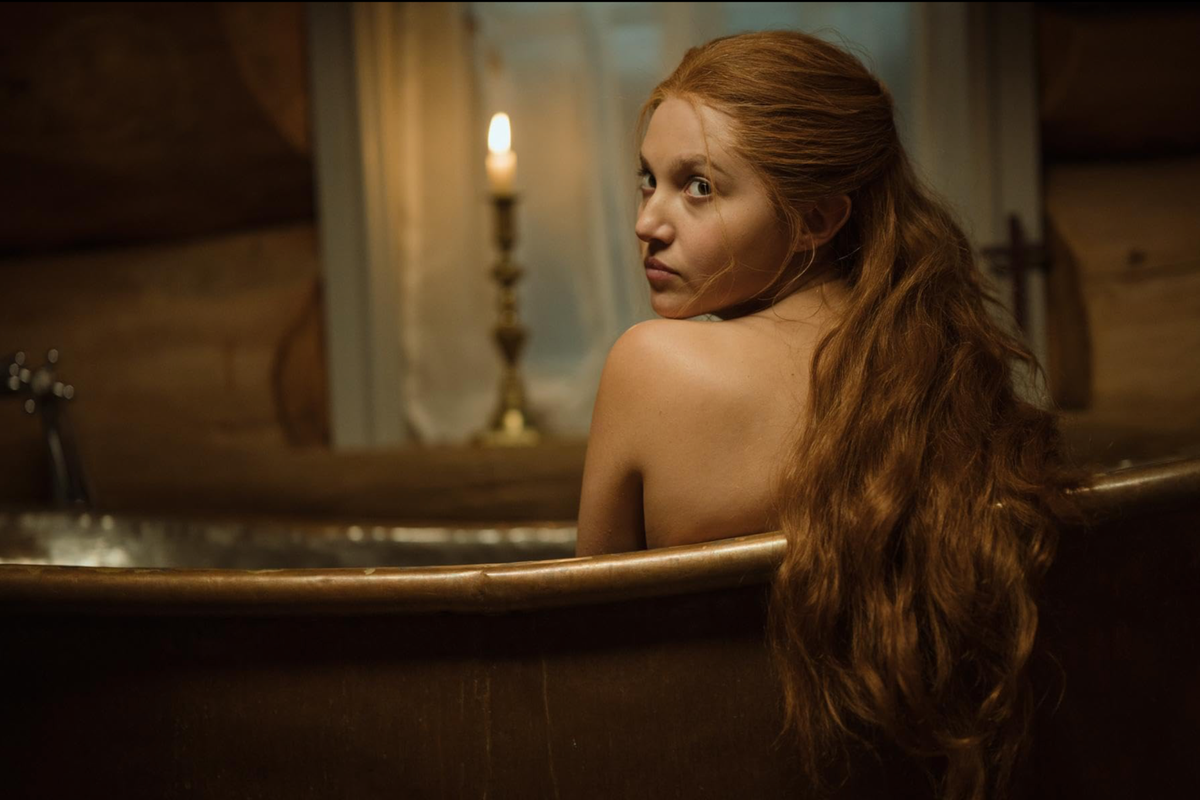
Set inside a fundamentalist polygamous marriage, the film follows Kaidence and Galilee, two women bound by ritual, hierarchy, and a husband who barely needs to exert control because the structure does it for him. Their days are defined by chores, obedience, and proximity, and it’s within that enforced intimacy that something quietly radical begins to form.

Louisa Connolly-Burnham directs with the precision of someone who knows exactly where the cracks are. No melodrama. No sermonising. Just glances held a beat too long, hands brushing while performing domestic rituals, and conversations that circle what cannot yet be named. The husband remains deliberately thin, less a character than a function, which sharpens the focus on the women and the emotional economy they are forced to share.

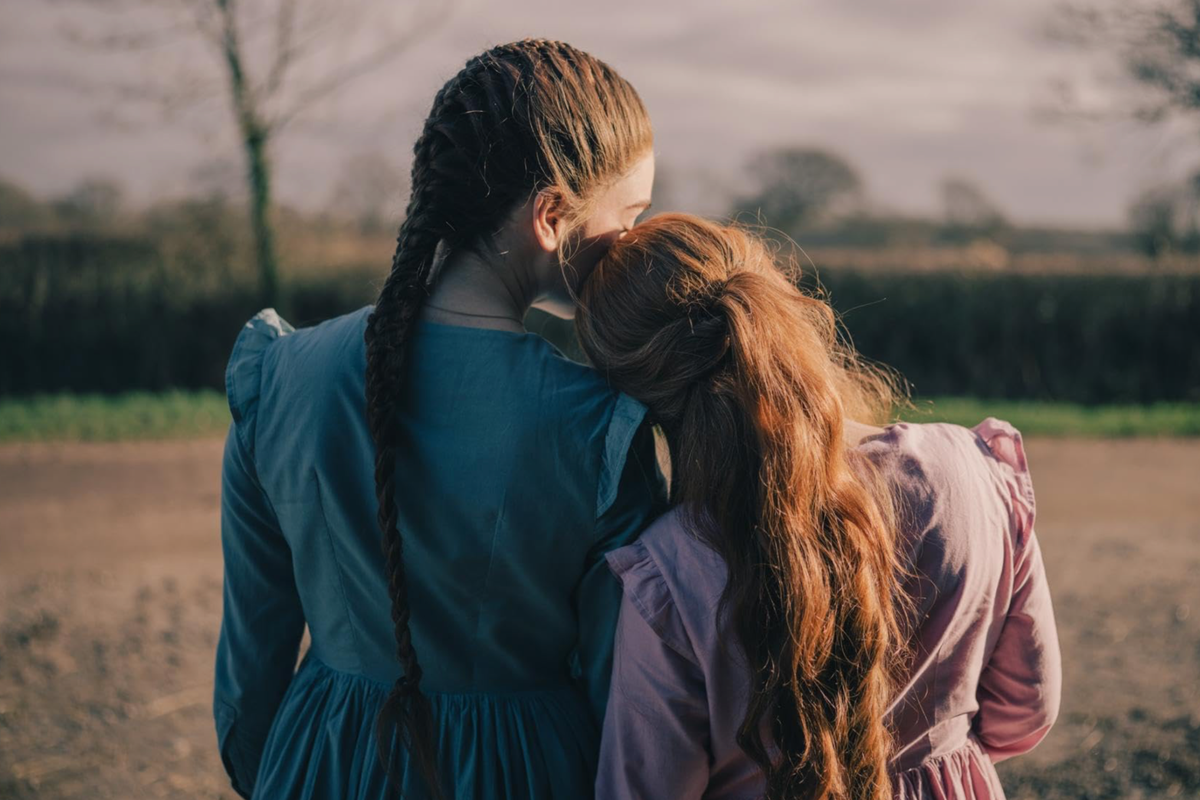
What’s most striking is how the film refuses the expected escape fantasy. There is no grand plan, no sudden awakening. Liberation emerges slowly as Kaidence and Galilee recognise that the connection between them offers something truer than the roles assigned to them. Intimacy becomes a form of dissent. Love, a quiet act of resistance.

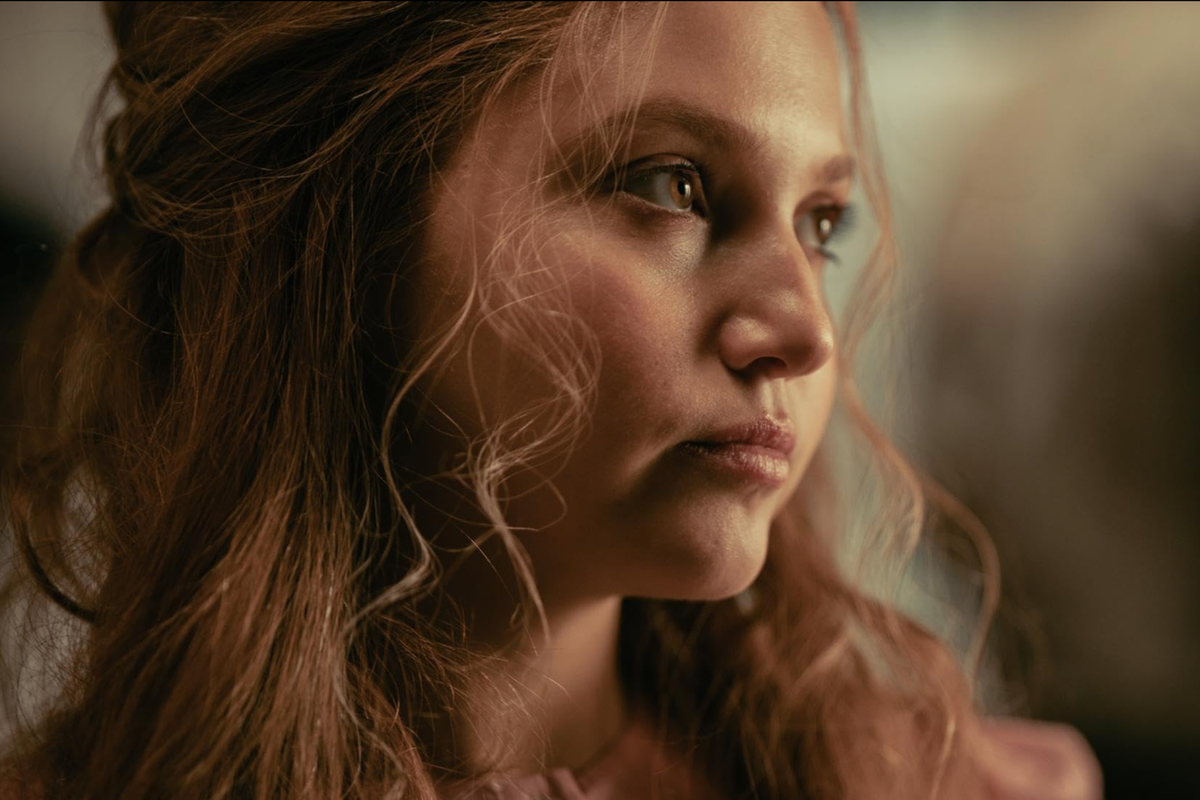
Mia McKenna-Bruce gives Galilee a tightly wound vulnerability that makes every small choice feel seismic, while Connolly-Burnham’s Kaidence observes, absorbs, and eventually dares to respond. Both performances are restrained but deeply felt.

A short film that feels rigorously argued, emotionally intelligent, and quietly furious. No wasted frames. No false innocence.

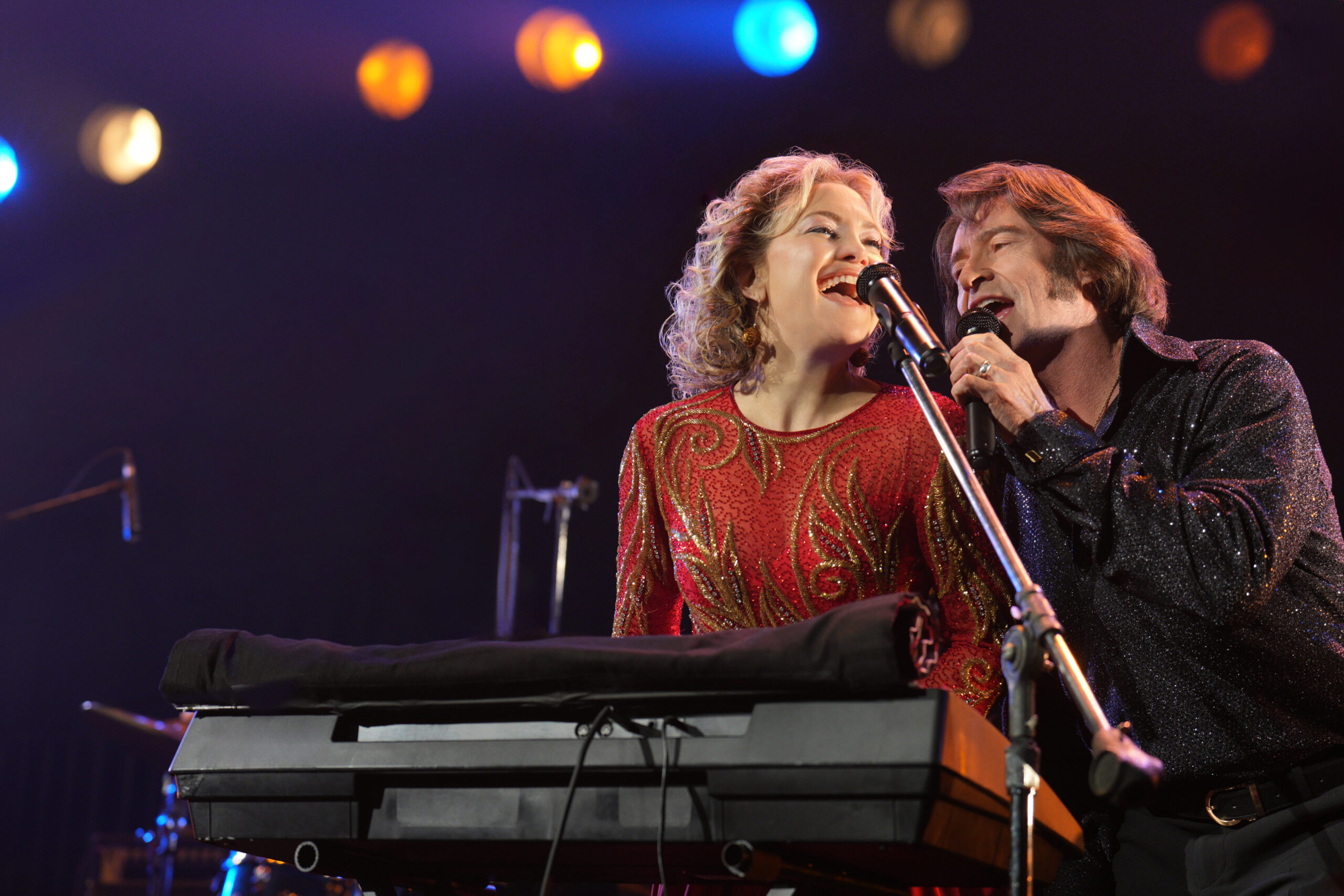
Song Sung Blue (2025): Love, Time, and the Cost of Compression

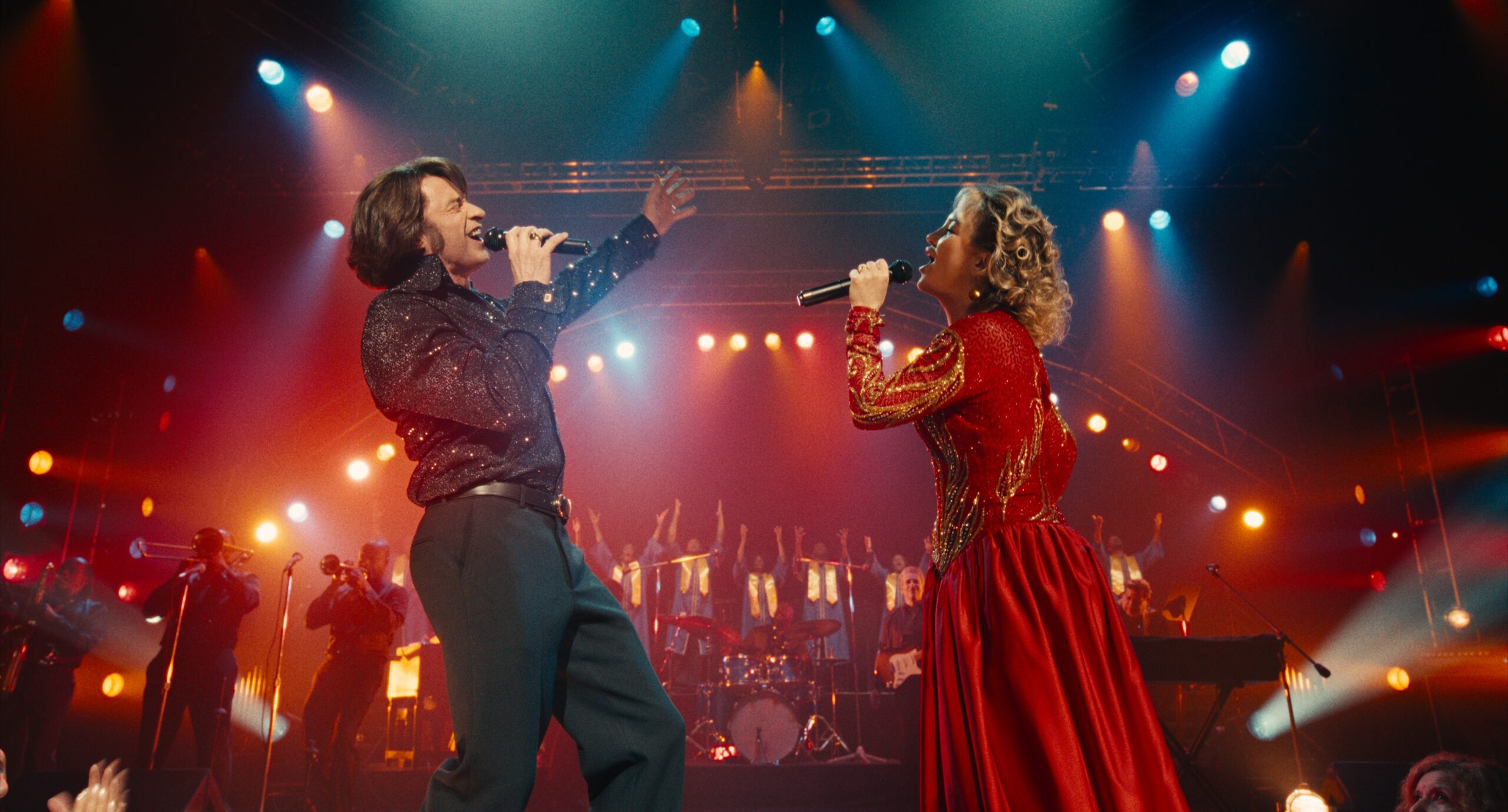
I went into Song Sung Blue already inclined to like it. I was something of a musical magpie from an early, impressionable age, discovering Neil Diamond through my father’s record collection; his taste was eclectic, ranging from jazz in all its forms to Mike Oldfield, with the occasional foray into classical. My enjoyment of Elvis came from my mother. Curiously, neither of them ever cared much for my favourite band, The Beatles, despite being of exactly the generation for whom that devotion might have seemed inevitable. In his opening monologue, Mike shares his unapologetic passion for simply good music. This film understands that instinctively. It is not interested in rescuing Diamond from irony or repackaging him for a new audience. It assumes affection, and trusts it.

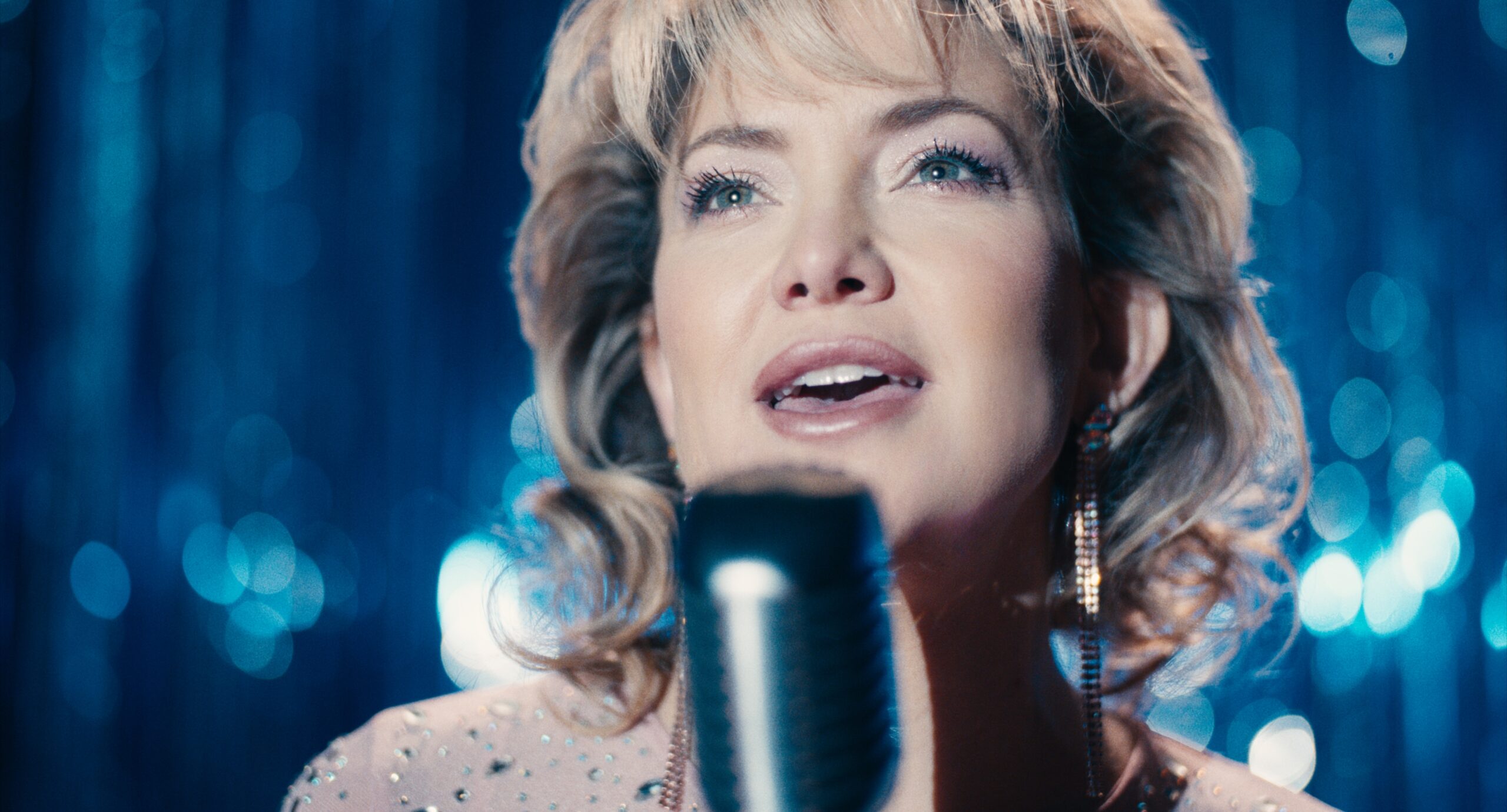
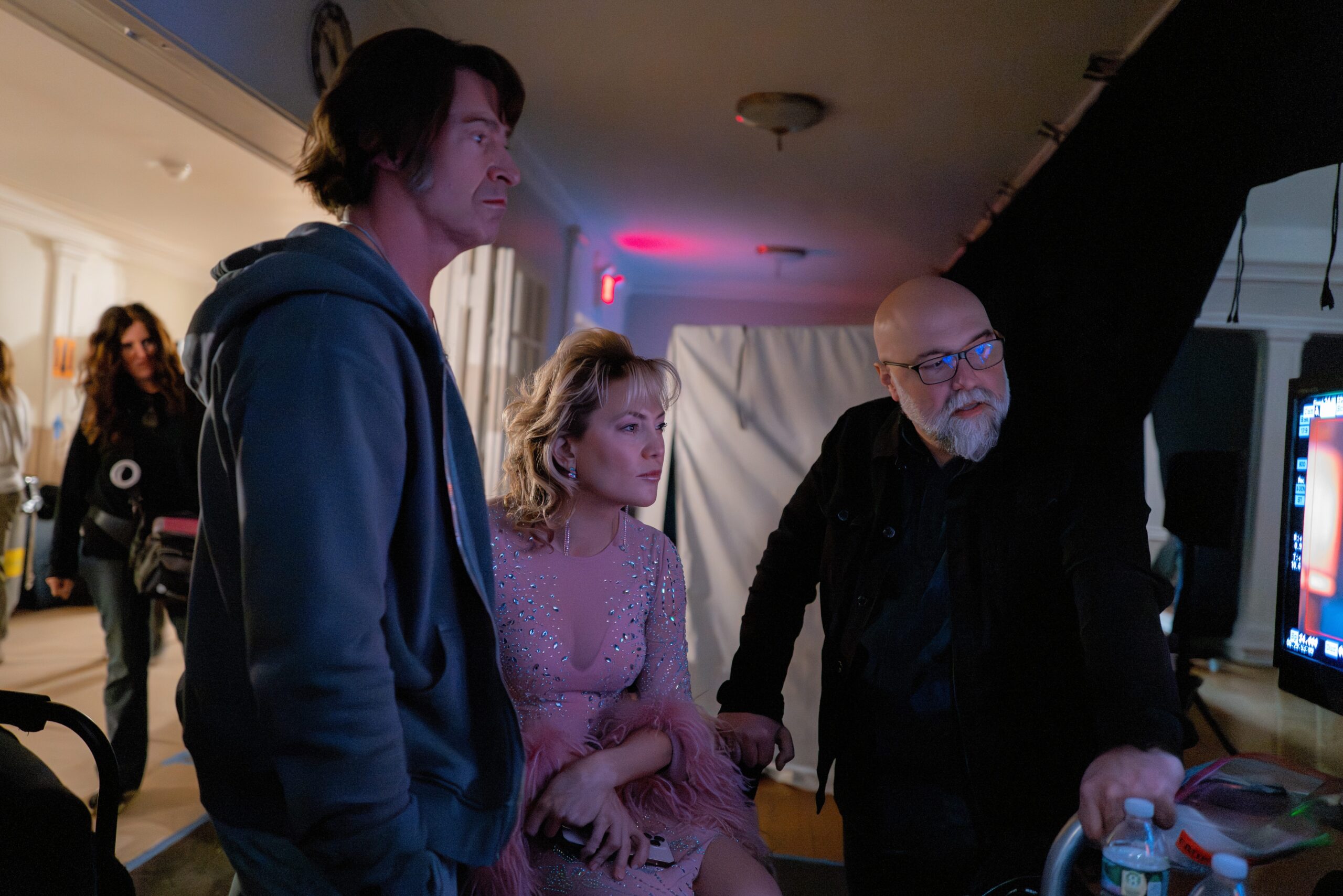
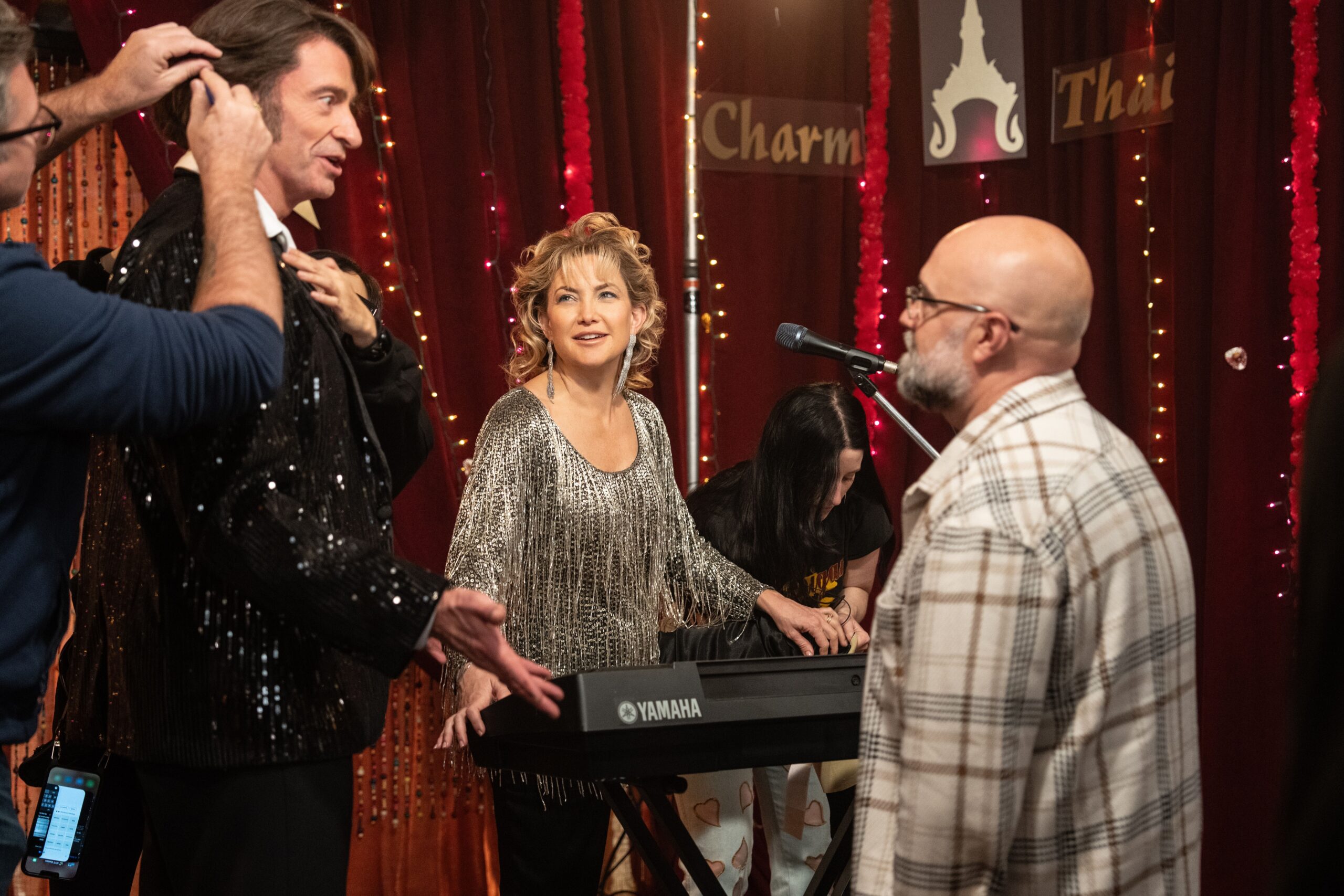
The film’s dramatic credibility rests on performance. Kate Hudson’s Oscar-nominated turn is deserved precisely because it is measured rather than demonstrative. She plays Claire, Mike’s partner on and off stage, as someone whose emotional life is shaped by watching, adjusting, and accommodating. Her work accumulates quietly. Meaning emerges in reaction rather than assertion, through a steady attentiveness to the people around her.

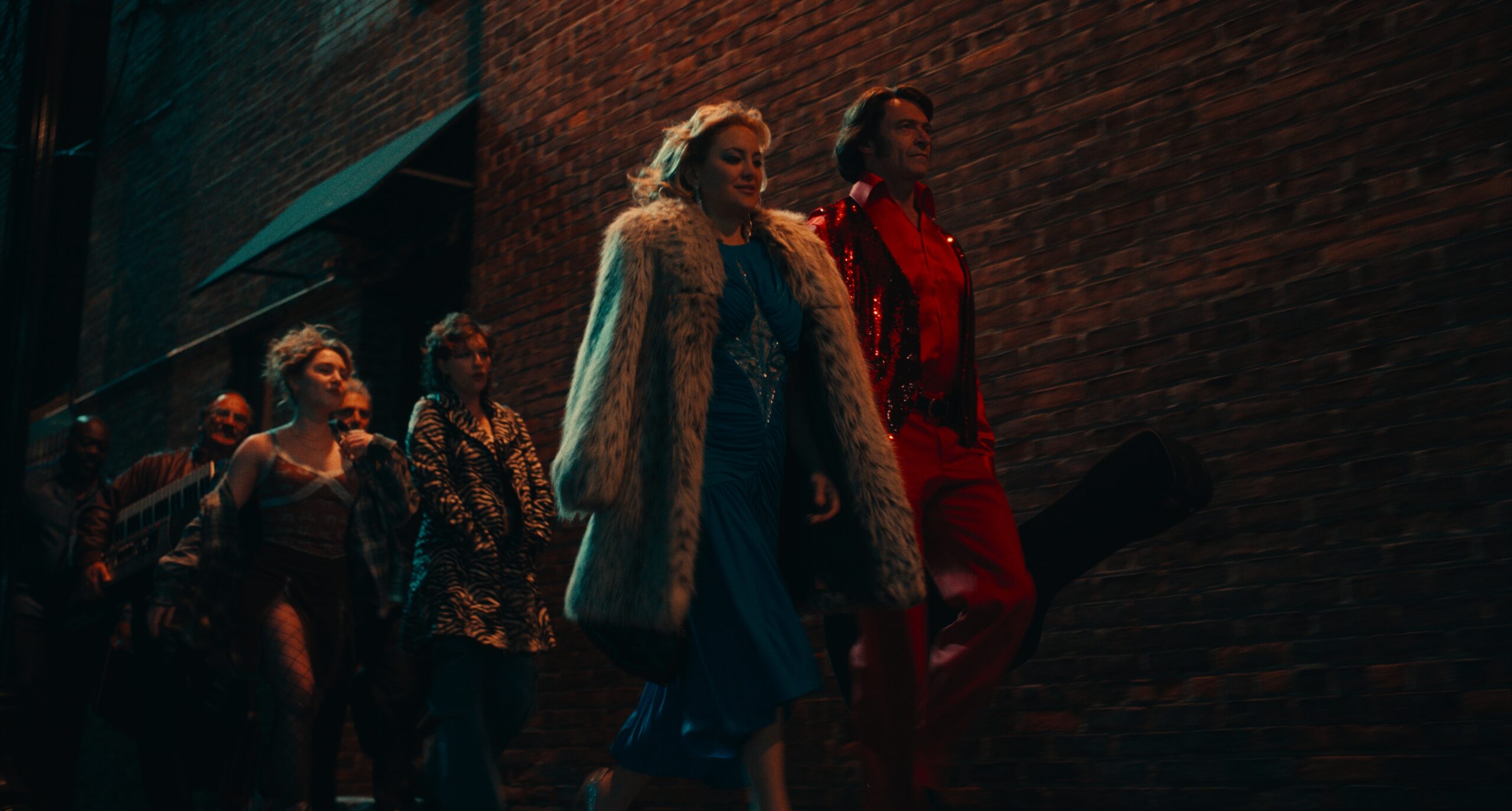
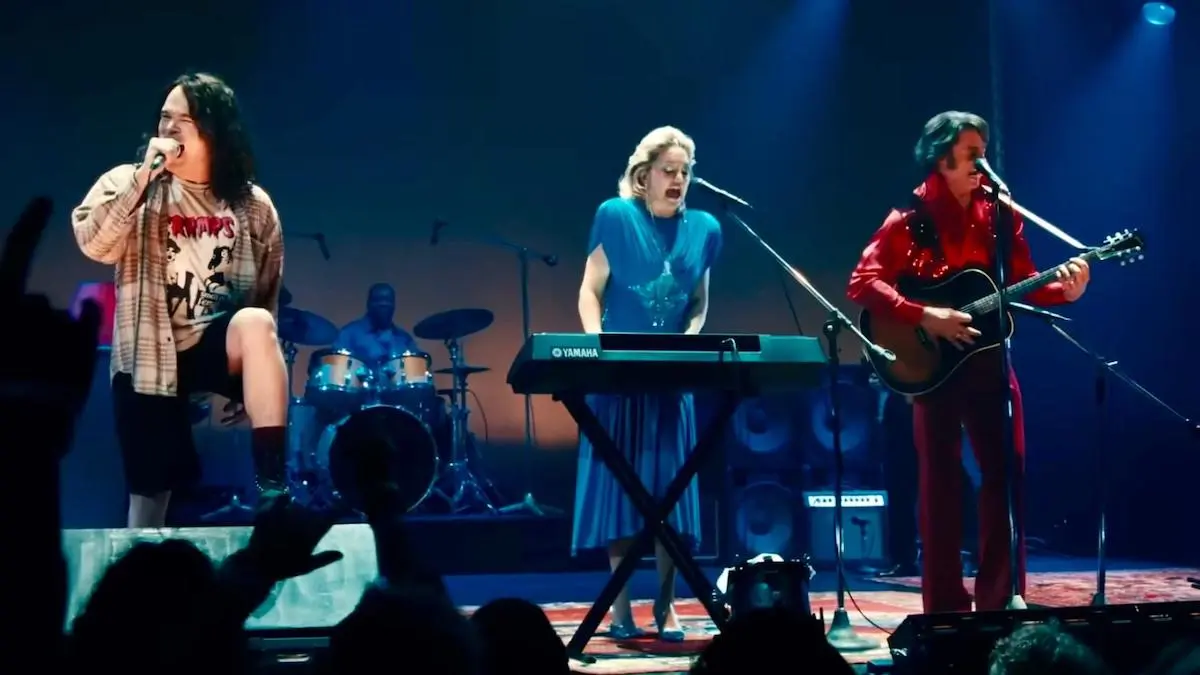
Hugh Jackman’s Mike operates on a very different register. He is loud, charismatic, and unapologetically performative, deliberately so. Long before Neil Diamond enters the picture, Mike already considers himself a fully fledged original as Lightning, frustrated by a sense of unrealised promise. The move into the tribute circuit is less a creative calling than a concession to audience demand and bookers’ tastes. That frustration animates Jackman’s performance. His Diamond is not an impersonation but an interpretation, filtered through years of performing as Lightning and shaped by ego, showmanship, and a refusal to disappear.

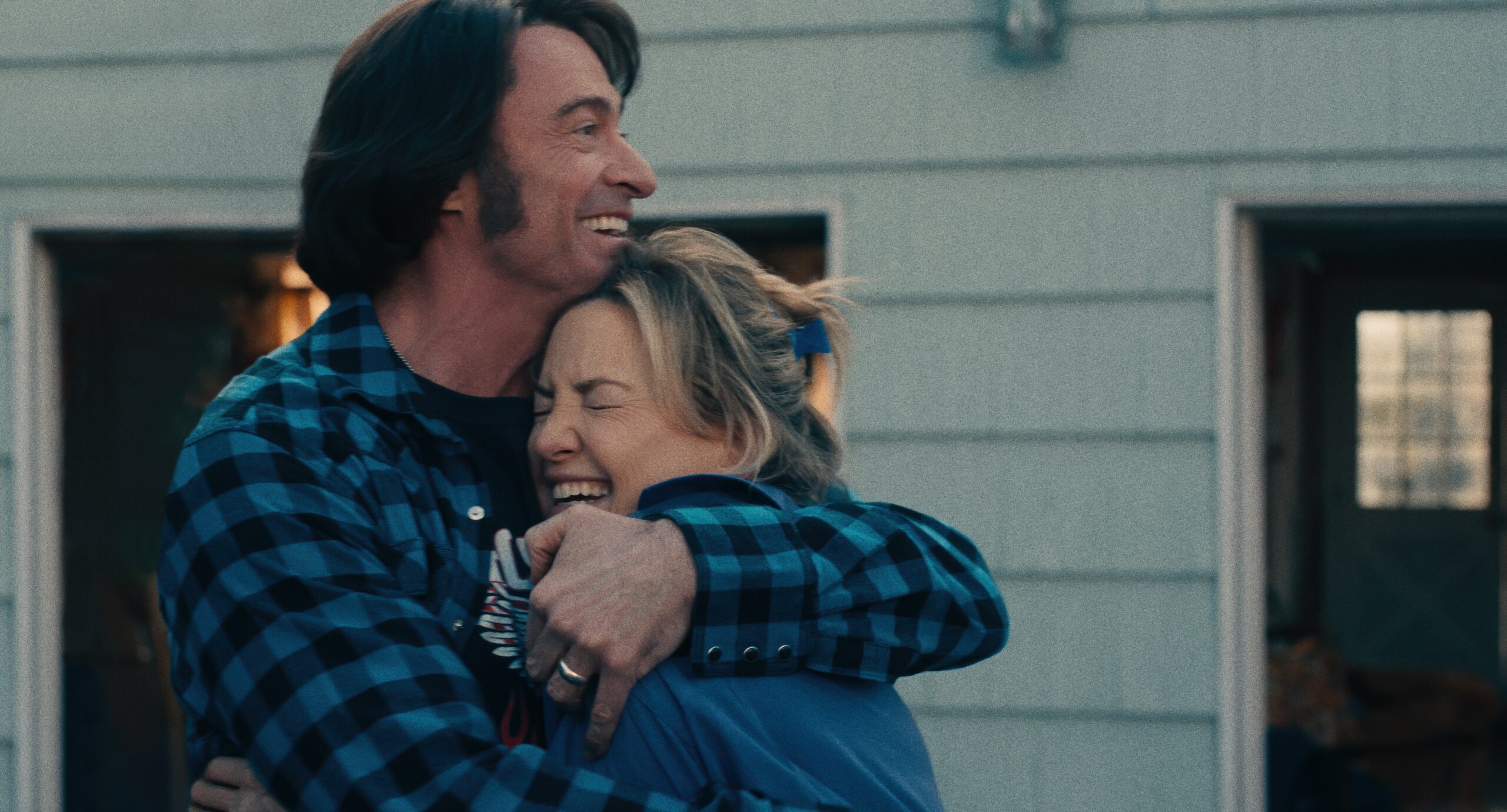
Claire’s emergence as Thunder is crucial here. Despite being a gifted singer in her own right, particularly of Patsy Cline songs, she consciously positions herself in support of Mike’s vision rather than in competition with it. Hudson plays this not as self-erasure but as creative alignment. Jackman’s performance is expansive rather than restrained, but it is no less controlled for that. The volume is intentional; the charisma is a tool. Together, the performances mirror the relationship at the film’s centre. Claire stabilises and sustains. Mike projects and propels. Neither works without the other.

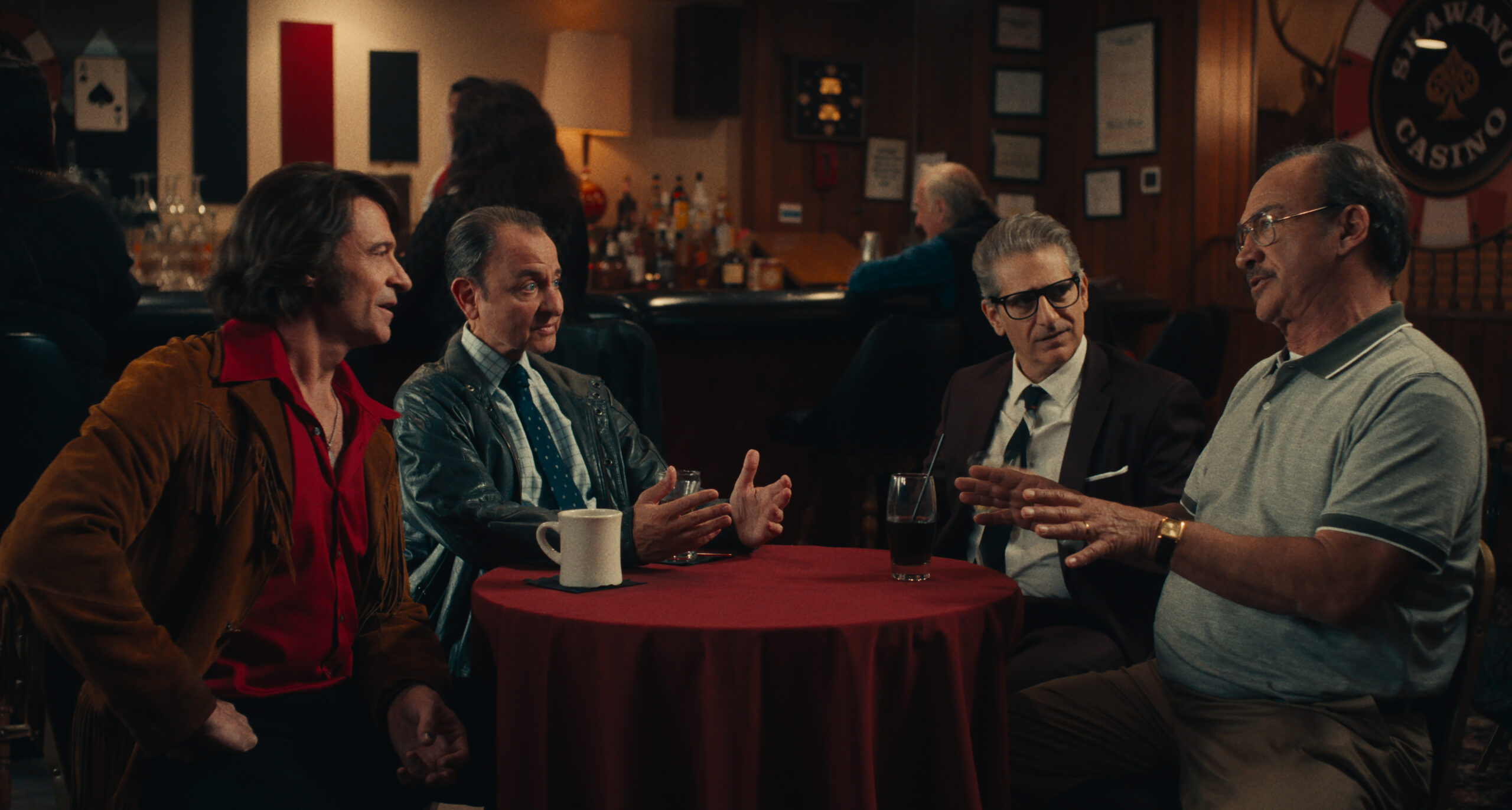
Structurally, Craig Brewer’s film is braver than it first appears. Lightning & Thunder were a husband-and-wife Neil Diamond tribute act from Milwaukee, whose appeal lay less in mimicry than in the way performance and private life blurred, a dynamic captured in the quietly intimate 2008 documentary of the same name. Brewer leans into that intimacy in the film’s first half, which is warm, funny, and buoyant, and necessarily so. The humour is not incidental; it earns the audience’s trust. When the second act darkens, the shift can feel abrupt, even unsettling. Yet that disorientation is the point. Life does not announce its turning points neatly.

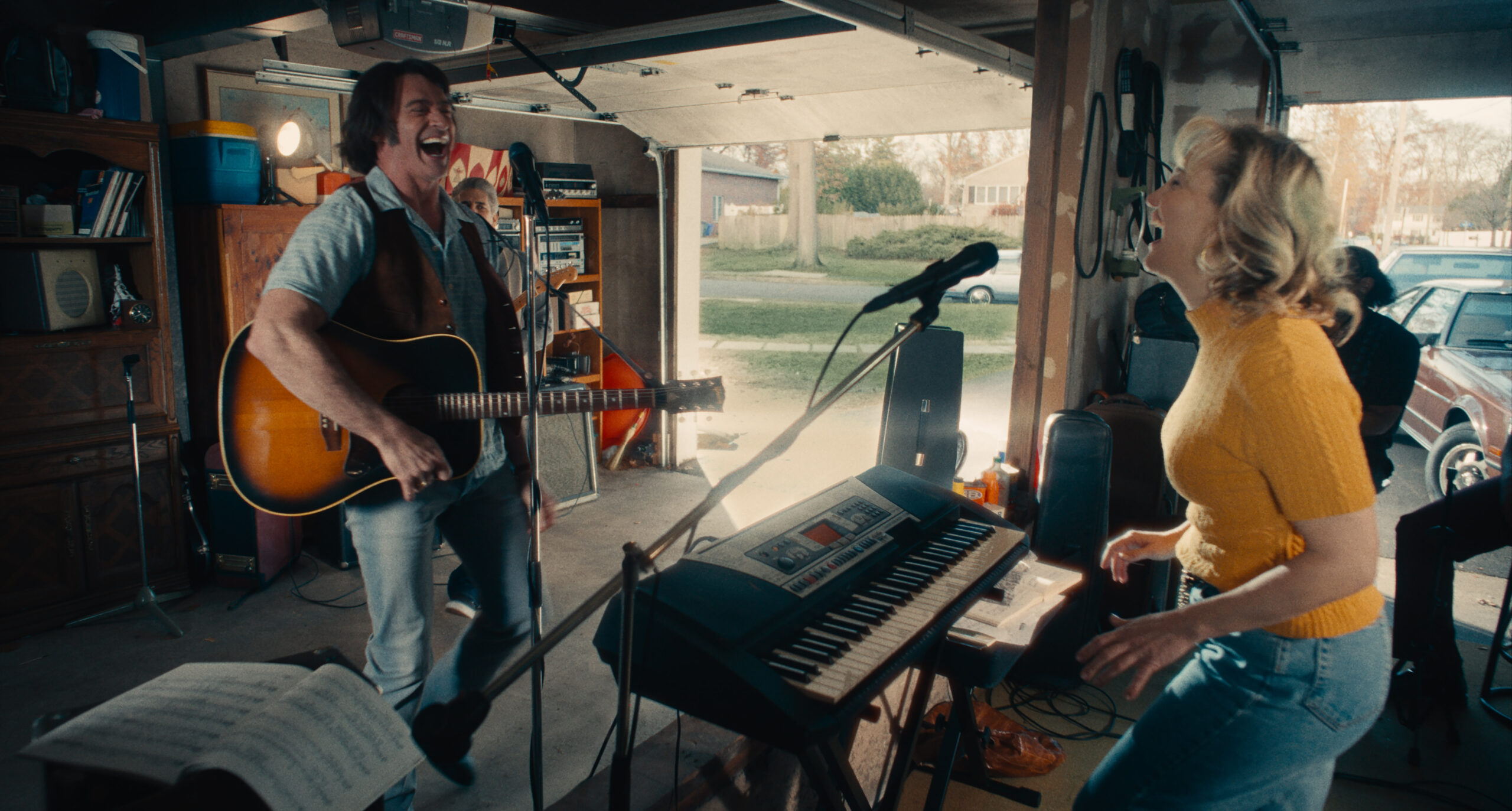
One of the film’s great pleasures is its attention to musical detail. Even in impromptu rehearsal settings, the staging feels lived-in rather than presented: microphone placement, breath control, missed cues, laughter bleeding into lyrics. These moments are allowed to remain imperfect. The music is not mythologised. It is inhabited. That authenticity pays off later, when the emotional meaning of the songs changes without needing to be underlined.

Claire and Mike’s daughters from previous relationships are quietly effective figures. They are not written as generational commentators or tonal correctives. Instead, they bring a modern sensibility through behaviour rather than dialogue. Rachel, navigating an unexpected pregnancy, is emotionally perceptive without being cynical. So is Angelina, whose concern for her father lingers despite 20+ years of his sobriety. Their presence prevents the film from slipping into cosy nostalgia, allowing the past to be gently observed and, at times, quietly questioned.

My one significant reservation concerns the film’s handling of time. The narrative is heavily compressed, and that compression is never fully resolved visually. None of the leads visibly age, nor do their children. As a result, a relationship that spans nearly two decades in reality plays on screen like a brief, intense chapter. Mike and Claire met in 1987 and married in 1994; Mike did not die until 2006. In the film, it feels closer to two or three years.

This matters because the film’s emotional core is not music, but partnership. Lightning & Thunder is not just a catchy stage name; it is a working arrangement, sustained over time. Lightning needs momentum, amplification, and belief. Thunder needs patience, grounding, and endurance. Those roles only gain emotional weight through repetition, through years of adjustment and recalibration. Without a felt passage of time, the audience understands the dynamic, but never quite experiences its cumulative cost.

The film understands this idea thematically. Mike’s insistence on opening the act with Suleiman is a declaration of artistic fidelity, a refusal to let the tribute slide into impersonation. It is also a quiet resistance to the easy comfort of Neil Diamond as anthem, resolutely downplaying the overuse of Sweet Caroline in favour of something more personal. Claire’s choice to support that vision rather than foreground her own considerable talent operates on the same principle. But repetition only becomes sacrifice when time is allowed to accrue beneath it.

Ironically, the film already has the tools it needs: shifting domestic spaces, evolving musical habits, children growing into different emotional roles. A little more visual signposting, a little more willingness to let years register, would not have diluted the intimacy. It would have deepened it, allowing the Lightning & Thunder dynamic to feel not just vivid, but weathered.

That partnership ultimately carries them further than either ever imagined. At the height of their popularity, Lightning & Thunder find themselves opening for Pearl Jam, an unlikely but quietly perfect cultural overlap. When Mike admits his nerves, Eddie Vedder puts him at ease with a simple line that lands as the film’s unspoken thesis: “Who doesn’t like Neil Diamond.” It is generous, uncomplicated, and true. In the end, Song Sung Blue understands this better than anything else. Not irony, not reinvention, but the endurance of music and love that people return to, time and again.

Rewatching Hello, Dolly! (1969): A Misunderstood Roadshow Gem

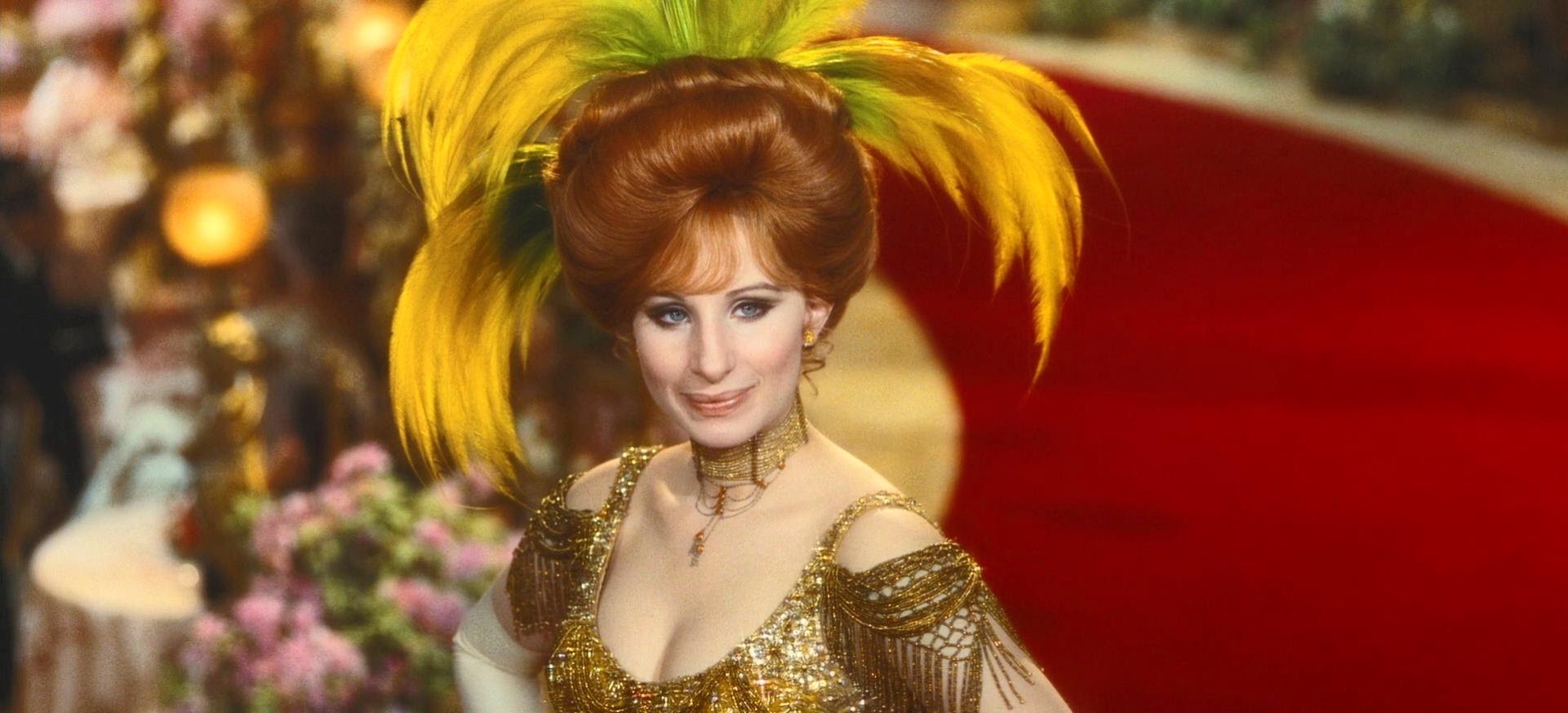
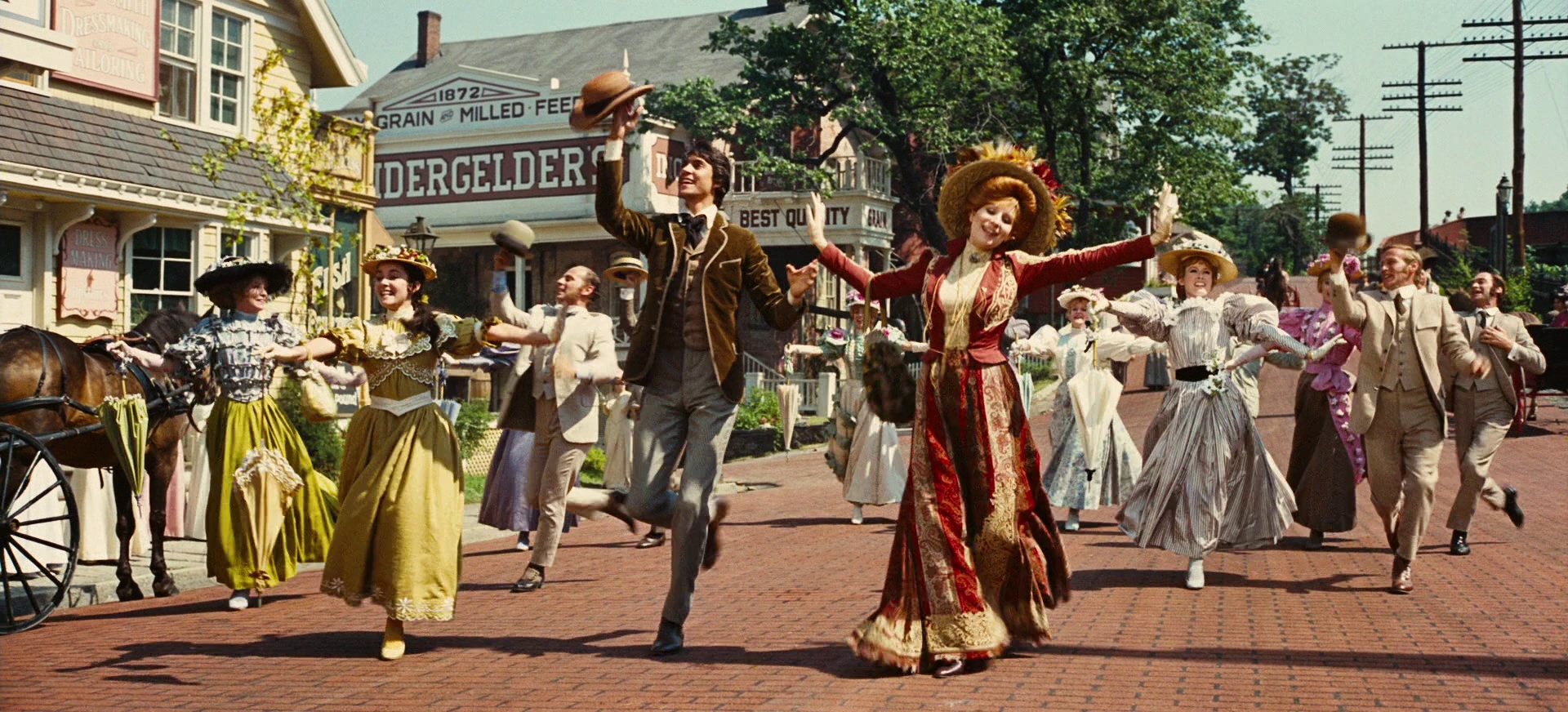
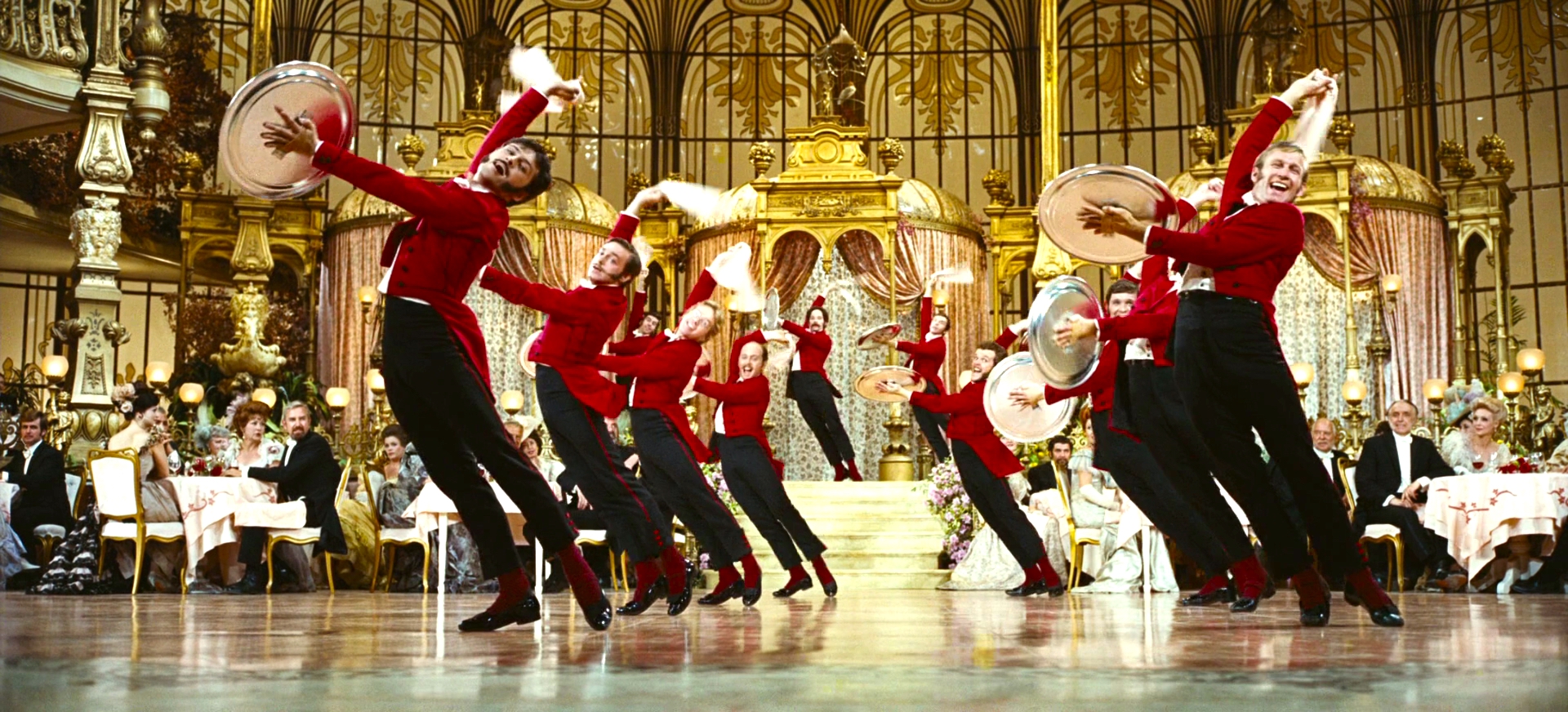
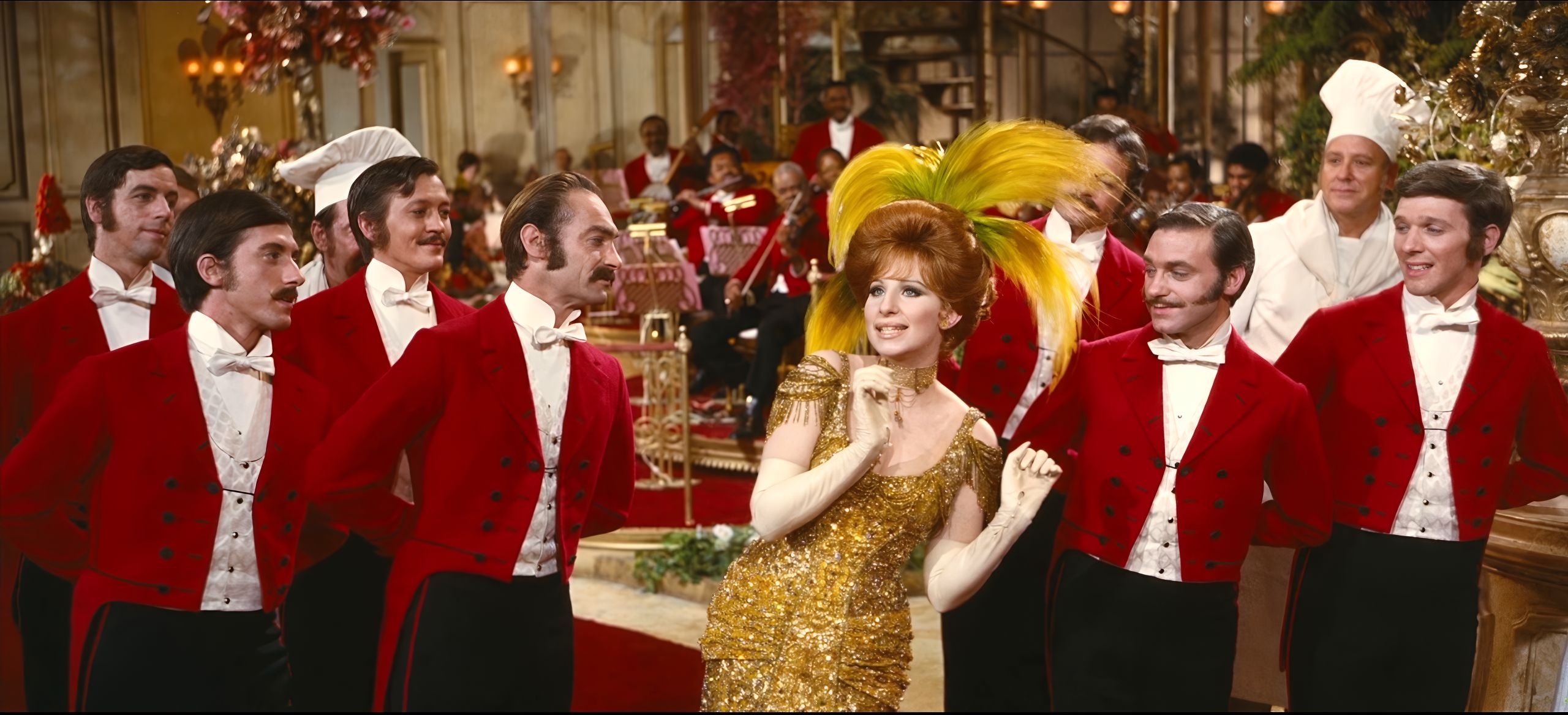
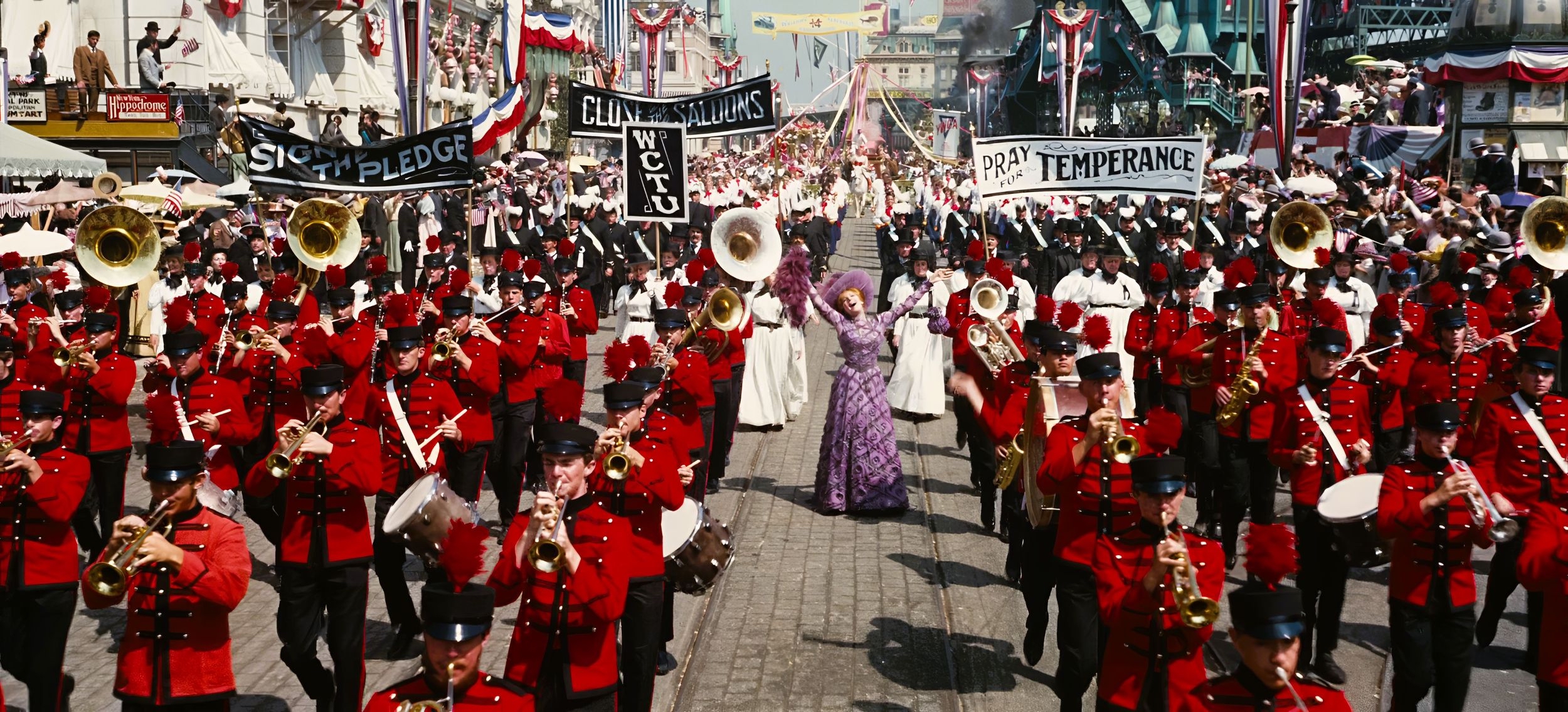
On my recent rewatch of Hello, Dolly! I was struck by how much more alive and charming it feels than its reputation suggests. For years it has been filed away as the bloated late sixties roadshow musical that appeared just as Hollywood was pivoting towards the likes of Bonnie and Clyde, Midnight Cowboy and Easy Rider. Yet time has been much kinder to it than that old “expensive flop” narrative would have you believe. Seen now, it is witty, exuberant and full of handmade spectacle. The Harmonia Gardens sequence in particular remains a small marvel of staging, movement and sheer visual glamour.

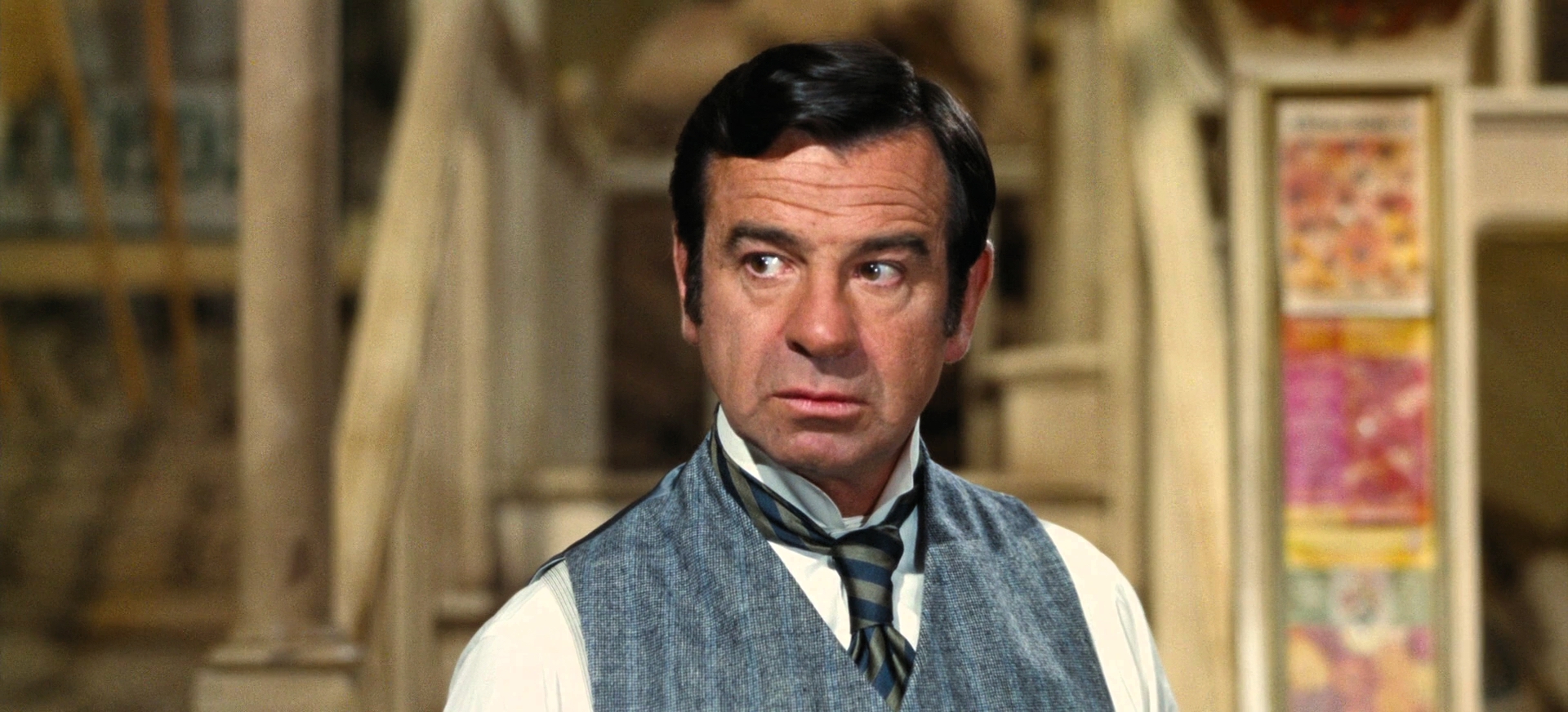
One of the unexpected pleasures of watching it again is Tommy Tune’s strange, wide eyed performance as Ambrose Kemper. What reads today as camp mugging was very much in line with director Gene Kelly’s idea of a heightened, vaudeville inflected Yonkers. Tune’s elastic physicality plays beautifully against Walter Matthau’s granite deadpan and Barbra Streisand’s star presence. Kelly clearly encouraged this approach. He wanted bodies, rhythm and joy to carry the comedy rather than dry one liners.

The casting of Streisand is still the most debated aspect of the film. At 26 she was obviously far too young to be playing Dolly Levi, a character written as a worldly widow who has lived and schemed and lost. From the studio point of view, though, it was simple. After the success of The Sound of Music and West Side Story, Fox wanted another prestige musical with a bankable star at its centre, and Barbra Streisand was the hottest property in America. On paper it looks like a mistake. On screen it is more complicated. Her voice is astonishing, the charisma undeniable and by the time she descends the staircase in Harmonia Gardens the age mismatch matters less than the sheer force of the performance.

The real author of the film is arguably not Kelly at all but Ernest Lehman. The opening credit that reads “Ernest Lehman’s Production of…” is not a polite flourish. It is a statement of control. Lehman had adapted and produced West Side Story and The Sound of Music and was seen as the safe pair of hands who could turn a Broadway hit into a glossy roadshow event. He shaped the script, the scale and the overall tone. Kelly was brought in once that package was largely in place. What we end up with is an unusual blend of producer driven spectacle and choreographic wit, rather than a pure Kelly musical.

If the film has a genuine technical flaw it is in the lip syncing, particularly in the slower songs. Streisand sings with studio perfection and very little visible physical effort, which creates small mismatches in close up that are hard to unsee once you notice them. It is the one thing that occasionally pulls you out of the moment. The faster numbers, which Kelly edits and choreographs with a dancer’s sense of rhythm, hide the joins far better. In those sequences picture and sound feel completely in step.

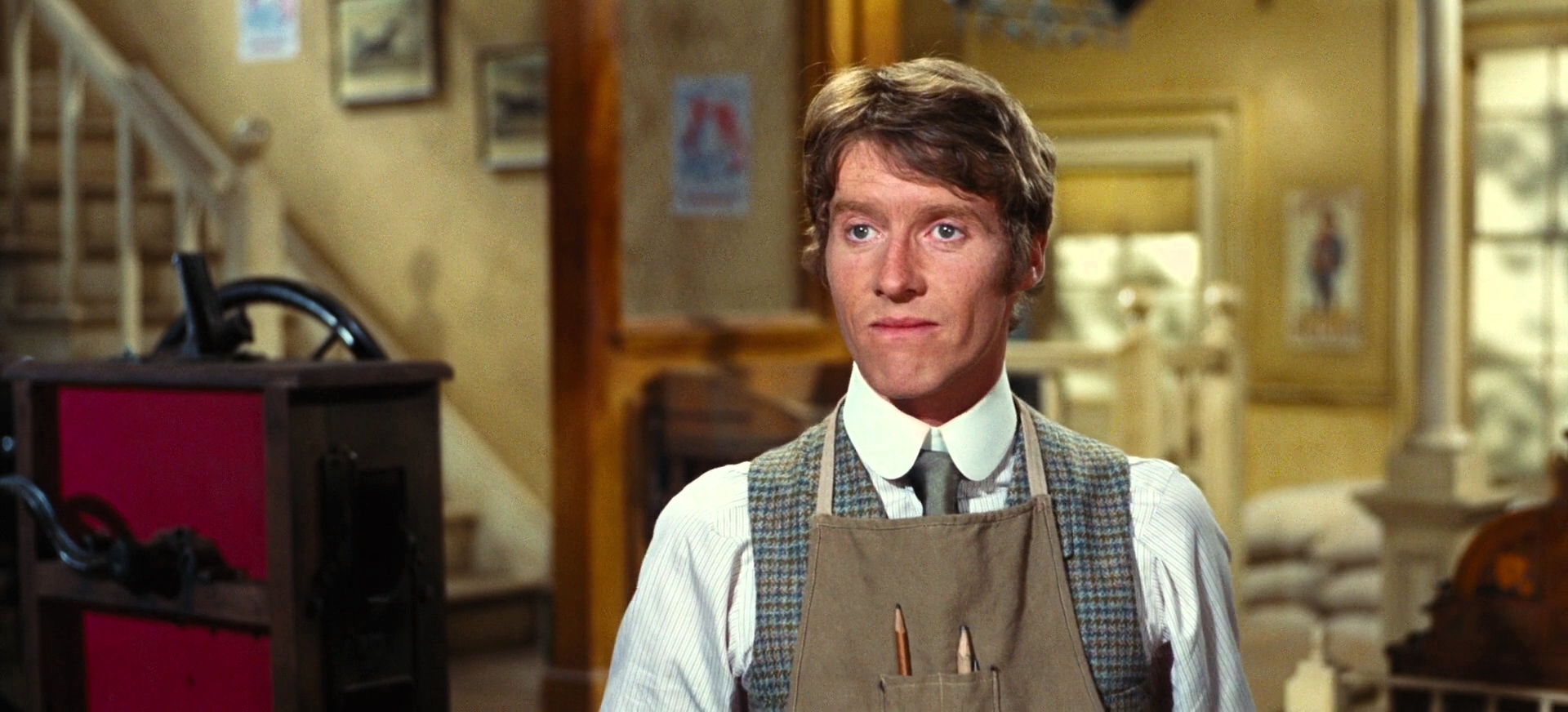
What struck me most on this rewatch, though, was how pleasant the whole film is to sit with. Matthau provides just enough vinegar to keep the syrup from becoming cloying, Michael Crawford, Danny Lockin and Tommy Tune bring a springy innocence, and the ensemble scenes burst with colour and good humour. The sincerity that once seemed hopelessly old fashioned now feels almost radical. In an era that prizes irony, there is something refreshing about a film that believes so wholeheartedly in parades, staircases and romantic new beginnings.

The WALL·E connection has helped too. Pixar’s decision to weave “Put On Your Sunday Clothes” and “It Only Takes a Moment” through the circuitry of that little robot effectively reframed Hello, Dolly! as a romantic artefact of lost humanism. For many younger viewers this is now the film that WALL·E loves, rather than a failed Fox roadshow. It makes Fox and now Disney’s reluctance to give it a full 4K restoration feel like a missed opportunity. The 65mm photography, the sets and the costumes are crying out for proper high resolution treatment, ideally at the hands of the Criterion Collection, who could encourage a more serious reassessment.

More than fifty years after its debut, Hello, Dolly! no longer feels like a lumbering dinosaur. It plays instead as the last great toast of old Hollywood exuberance. Whatever its flaws, it closes the roadshow era not with embarrassment but with a brass band, a staircase and a wink.

Black Swan

Director Darren Aronofsky’s award-winning film Black Swan is a dark and disturbing psychological thriller, reminiscent of Alfred Hitchcock’s Marnie and Roman Polanski’s Repulsion, focusing on the highly competitive and pressurised world of the New York City Ballet.

Natalie Portman plays Nina Sayers, an immature and unworldly, aspiring prima ballerina who gets her big break when she is surprisingly cast in the lead role by the company’s director, Thomas Leroy (Vincent Cassel), an enfant terrible whose vision for Tchaikovsky’s Swan Lake is to have one artiste dance both the virtuous ‘White Swan’ and her evil twin, the ‘Black Swan’, conventionally two separate parts.

Nina resides with her overbearing mother, Erica (Barbara Hershey), herself a failed ballet dancer who tries to live out her former ambitions vicariously through her daughter’s drive and dedication. The seemingly chaste Nina is a natural choice to play the ‘White Swan’, but her relationship with her mother becomes strained when her sexual curiosity is awoken by her attempts to get in touch with the seductive traits of the ‘Black Swan’.

The chauvinistic Leroy, who had a fling with the recently retired leading dancer Beth Macintyre (Winona Ryder), thinks he can coax Nina into character by flirting with her and encouraging her to masturbate in order to loosen up and explore her sexuality, using the example of the new girl Lily (Mila Kunis) as a role model and potential rival for the part if she fails to deliver the goods. Although Aronofsky claims it wasn’t a direct influence, its hard not to compare it to the Powell and Pressburger classic, The Red Shoes, particularly the similarities between the tyrannical impresario Boris Lermontov (Anton Walbrook) and Cassel’s Leroy.

Desperate to succeed and prove herself, Nina goes against her mother’s wishes and lets Lily take her out for the evening. They end up in a club where she allows Lily to spike her drink so she can lose her inhibitions with a view to understanding what it feels like to be the ‘Black Swan’. Aside from accurately aping the plot of Tchaikovsky’s Swan Lake, the film is a clever metaphor for the feminine struggle with sexual awakening, identity, and freedom; if a woman is to attain “perfection” she can’t just be the innocent ‘White Swan’ or the erotic ‘Black Swan’, according to Thomas Leroy she must be both saint and sinner, Mary and Magdalene.

Natalie Portman thoroughly deserved the Best Actress Oscar for portraying Nina’s descent into madness as she tries to come to terms with years of living with an overprotective and possessive parent, as well as the immense physical and emotional strain of training for the life of a premier ballet dancer, an existence which allows for very little outside of it. Nina’s mental breakdown is dramatically illustrated through her painful bodily transformation into the ‘Black Swan’, which culminates in a final flourish of feathered wings sprouting from her shoulders. Just like her character in the ballet story, the ‘White Nina’ is cheated out of love by the ‘Black Lily’ who steals her coveted role and seduces the man she desires instead, driving her to suicide.

Cinematographer, Matthew Libatique, elected to shoot with a combination of digital 1080p/24 source HDCAM and analogue Super 16 cameras, giving the film the dual feel of both docudrama and surreal fantasy, equally stunning on the Blu-ray release, particularly the climatic staged performance of Swan Lake with the fine detail on the jet black feathers looking particularly impressive. The DTS-HD master audio soundtrack is of a similar standard with a demonstrable dynamic range between Tchaikovsky’s classical score and the suspenseful sound effects which help to heighten the incredibly tense psychological drama. There is also a strong suite of extras all presented in HD, the focus of which is the hour-long documentary Black Swan Metamorphosis, which explores each facet of the production, including in-depth discussions with Darren Aronofsky and Natalie Portman.

Black Swan is a very satisfying adult-oriented thriller. It’s complex, but compared to Aronofsky’s earlier movies, it’s not so dense as to make it obscure or inaccessible to general audiences and, consequently, this relatively low budget movie, produced by Mike Medavoy’s new independent film company Phoenix Pictures, has enjoyed a healthy return at the box office and garnered many awards.